
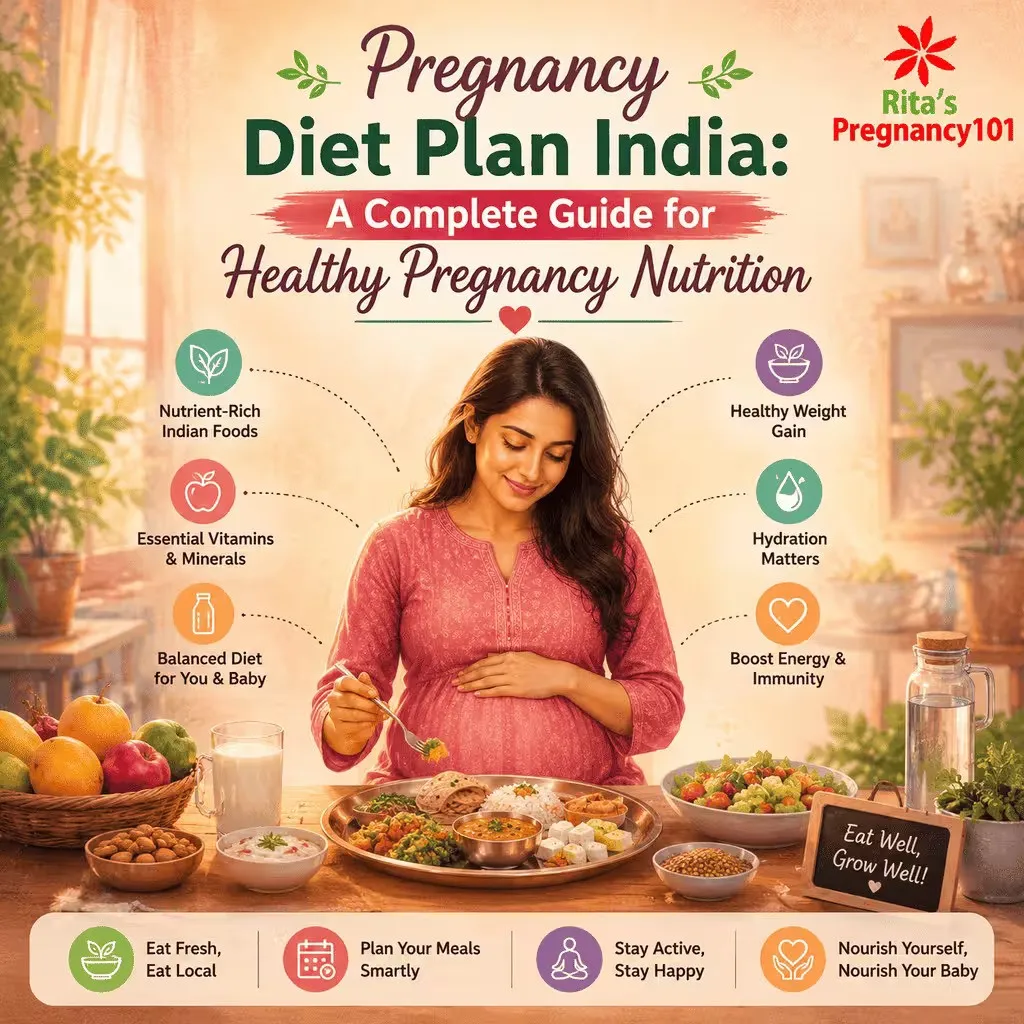
TL;DR
Pregnancy is a beautiful journey, but it also brings many questions about food, health, and daily habits. One of the biggest concerns for expectant mothers is following the right pregnancy diet plan in India that supports both mother and baby.
Many Indian women wonder what to eat, what to avoid, and how to maintain balanced nutrition during pregnancy. The good news is that healthy eating during pregnancy does not need to be complicated. Simple homemade Indian meals, fresh ingredients, and proper meal timing can make a big difference.
Small healthy food choices during pregnancy can make a big difference for both mother and baby. A balanced, healthy pregnancy diet helps support your baby’s growth, improves energy levels, and keeps the mother healthy throughout all three trimesters.
At times, pregnancy cravings, nausea, and food confusion can feel overwhelming. That is why platforms like Pregnancy101 help Indian mothers understand practical pregnancy nutrition in a simple and supportive way.
Why Nutrition During Pregnancy Matters
Good nutrition during pregnancy plays a major role in the healthy development of the baby. It also helps the mother stay energetic, manage weight properly, and reduce the risk of common pregnancy discomforts.
A balanced pregnancy diet supports the baby’s brain development, healthy bone growth, proper birth weight, stronger immunity, and better digestion. During pregnancy, the body needs extra vitamins, minerals, protein, calcium, and healthy fats.
Eating healthy does not mean eating double. Instead, it means eating smarter with nutrient-rich foods that support both mother and baby.
Healthy Pregnancy Diet: Essential Nutrients Every Pregnant Woman Needs
A balanced, healthy pregnancy diet gives both the mother and baby the nutrition needed for a healthy pregnancy journey. Instead of focusing on eating more, expectant mothers should focus on nutrient-rich foods that support energy, growth, and overall wellness.
Protein for Baby’s Growth
Protein plays an important role in the baby’s tissue development and overall growth. It also helps the mother maintain strength and energy during pregnancy.
Indian foods such as dal, paneer, curd, eggs, soy products, chicken, and fish are good protein sources that can easily be included in daily meals.
Iron for Healthy Blood Levels
Iron supports healthy blood production and may help reduce the risk of anaemia during pregnancy.
Foods like spinach, lentils, dates, jaggery, beetroot, and pomegranate are naturally rich in iron. Pairing these foods with vitamin C sources like lemon or oranges may improve iron absorption.
Calcium and Folic Acid for Healthy Development
Calcium helps support the baby’s bones and teeth while protecting the mother’s bone health. Folic acid is especially important during early pregnancy because it supports healthy brain and spinal cord development.
Milk, curd, paneer, ragi, green leafy vegetables, beans, and citrus fruits are nutritious choices that provide these essential nutrients.
Fibre and Healthy Fats for Better Wellness
Fibre helps improve digestion and may reduce constipation, which is common during pregnancy. Healthy fats support the baby’s brain development and provide long-lasting energy.
Whole grains, fruits, vegetables, nuts, seeds, oats, and flaxseeds are healthy additions to a balanced pregnancy diet.
Vitamins and Minerals for Overall Health
A colourful plate filled with fresh fruits and vegetables naturally provides important vitamins and minerals needed during pregnancy. Eating a variety of homemade foods helps support immunity, digestion, and overall maternal health.
Best Foods for Pregnant Women in India
Choosing the right foods for pregnant women can help maintain balanced nutrition throughout pregnancy. Traditional Indian meals already include many healthy ingredients that support both mother and baby.
Dairy Products and Whole Grains
Milk, curd, paneer, buttermilk, oats, millets, brown rice, and whole wheat roti provide calcium, protein, and steady energy during pregnancy.
Fruits and Green Vegetables
Fresh fruits and leafy vegetables help improve digestion, hydration, and immunity. Bananas, apples, oranges, spinach, broccoli, and fenugreek leaves are healthy choices commonly included in Indian diets.
Nuts, Seeds, and Protein-Rich Foods
Nuts and seeds provide healthy fats and important nutrients, while protein-rich foods support healthy baby growth.
Healthy options include almonds, walnuts, flaxseeds, dal, rajma, chole, eggs, fish, and lean chicken.
Traditional Indian Healthy Foods
Many homemade Indian dishes are naturally nutritious and easy to digest during pregnancy. Healthy meal options include khichdi, vegetable upma, moong dal chilla, idli, dalia, and coconut chutney.
Pregnancy101 also shares practical Indian pregnancy nutrition ideas that fit easily into daily routines.
Indian Pregnancy Meal Plan: Sample Daily Diet Chart
A simple Indian pregnancy meal plan can help expecting mothers eat balanced meals throughout the day.
Time | Meal Ideas |
Early Morning | Warm water with soaked almonds |
Breakfast | Vegetable poha with curd or moong dal chilla |
Mid-Morning Snack | Fruit bowl or coconut water |
Lunch | Roti, dal, rice, sabzi, curd, salad |
Evening Snack | Roasted makhana or sprouts chaat |
Dinner | Khichdi, paneer curry, or vegetable soup with roti |
Bedtime Snack | Turmeric milk or banana |
Trimester-Wise Diet Plan During Pregnancy
Following a healthy trimester-wise diet plan can help support both the mother and baby throughout pregnancy. Nutritional needs change during each trimester, so eating balanced and wholesome meals becomes especially important.
First Trimester Diet Plan
The first trimester often brings nausea, vomiting, fatigue, and food aversions. During this phase, eating smaller and more frequent meals may help maintain energy levels and improve comfort.
Light homemade foods that are easy to digest are usually better tolerated. Foods rich in folic acid are especially important during early pregnancy because they support healthy brain and spinal cord development in the baby.
Simple options like bananas, toast, curd rice, soups, fruits, and homemade khichdi can be comforting and nutritious during this stage. Staying hydrated is equally important, especially if morning sickness is frequent.
Second Trimester Diet Plan
The second trimester is usually considered the most comfortable stage of pregnancy. As the baby grows rapidly during this period, the body requires more protein, calcium, iron, and energy-rich foods.
A balanced diet with dal, paneer, eggs, whole grains, green vegetables, fruits, nuts, and healthy snacks can help meet increasing nutritional needs. Including a variety of homemade Indian foods may also help maintain steady energy and support healthy weight gain during pregnancy.
Third Trimester Diet Plan
During the third trimester, the baby’s growth increases significantly, which makes balanced nutrition even more important. Many women may also experience digestive discomfort, bloating, or reduced appetite during this phase.
Eating lighter but nutritious meals may help improve comfort while still providing important nutrients. Fibre-rich foods, healthy fats, protein, fruits, soups, nuts, seeds, milk, and whole grains are good additions to the pregnancy diet during the final months.
Proper hydration and regular meal timing can also help support overall wellness during late pregnancy.
Foods to Avoid During Pregnancy
Some foods may not be suitable during pregnancy and are best limited or avoided for better maternal and baby health.
Processed foods, sugary drinks, excessive caffeine, raw or undercooked meat, unpasteurized dairy products, and packaged junk foods should be consumed carefully or avoided whenever possible. Excessively fried foods and high-salt snacks may also lead to discomfort and unhealthy weight gain during pregnancy.
Choosing fresh, homemade meals more often can help support healthier eating habits throughout pregnancy.
Common Pregnancy Diet Mistakes to Avoid
Many expecting mothers unknowingly make small diet mistakes during pregnancy. Skipping meals, drinking less water, eating excessive junk food, or following strict dieting plans can affect overall nutrition and energy levels.
Some women may also ignore iron-rich foods or consume too many sweets to satisfy cravings. However, balanced eating is more important than perfect eating. Small, consistent, healthy choices usually work better than restrictive diets.
Low energy levels, frequent constipation, poor hydration, or regular junk food cravings may sometimes indicate that the pregnancy diet needs improvement.
Tips for Maintaining a Healthy Pregnancy Diet
Healthy eating during pregnancy does not need to feel stressful or restrictive. Simple daily habits can make balanced nutrition easier and more sustainable.
Eating smaller meals every few hours may help maintain energy and improve digestion. Drinking enough water, including fruits and vegetables regularly, and avoiding long gaps between meals can also support better health during pregnancy.
Fresh homemade meals are usually healthier than heavily processed foods. Listening to your body’s hunger signals and staying physically active, if advised by your doctor, may also help support overall wellness during pregnancy.
Meal planning and preparing healthy snacks in advance can make daily eating routines more manageable for expectant mothers.
How Pregnancy101 Supports a Healthy Pregnancy
Pregnancy can feel confusing, especially for first-time mothers. Reliable guidance can make this journey smoother and more comforting.
Pregnancy101 offers useful information on pregnancy nutrition, wellness, baby care, and healthy lifestyle habits for expecting mothers in India.
Whether you are searching for a practical pregnancy diet plan in India or trimester-specific guidance, Pregnancy101 provides easy-to-understand support for families preparing for parenthood.
Visit Pregnancy101 for more pregnancy wellness tips and healthy lifestyle guidance.
Final Thoughts
Pregnancy is a special journey, and small healthy choices each day can make a big difference for both mother and baby.
A healthy pregnancy diet is not about following strict food rules. It is about nourishing your body with balanced meals, staying hydrated, and choosing nutritious foods consistently.
Every pregnancy is different, so it is important to listen to your body and consult your healthcare provider when needed.
Simple Indian home-cooked meals, fresh ingredients, and mindful eating can support both mother and baby throughout pregnancy.
If you are looking for practical pregnancy guidance, meal ideas, and wellness tips, Pregnancy101 can be a helpful companion during this special journey.
FAQs
1. What is the best pregnancy diet plan in India?
The best pregnancy diet plan in India includes balanced meals with protein, calcium, iron, fruits, vegetables, whole grains, and healthy fats. Homemade Indian food is often a healthy choice during pregnancy.
2. Which foods are best for pregnant women?
Some of the best foods for pregnant women include milk, curd, dal, eggs, fruits, nuts, leafy vegetables, and whole grains.
3. What should I eat during the first trimester?
During the first trimester, focus on light and nutritious foods such as bananas, toast, soups, curd rice, fruits, and folic acid-rich foods.
4. Is Indian food healthy during pregnancy?
Yes, traditional Indian meals can be very healthy during pregnancy when prepared with fresh ingredients and balanced nutrition.
5. What foods should pregnant women avoid?
Pregnant women should avoid processed foods, excessive caffeine, raw foods, sugary snacks, and unhealthy packaged foods.
6. How important is nutrition during pregnancy?
Nutrition during pregnancy is very important because it supports the baby’s growth and helps maintain the mother’s overall health and energy levels.
7. Can I follow a vegetarian pregnancy diet?
Yes, a vegetarian pregnancy diet can provide all essential nutrients when planned properly with protein-rich foods, dairy, fruits, vegetables, and whole grains.
8. How much water should pregnant women drink daily?
Most pregnant women may benefit from drinking around 8–10 glasses of water daily, depending on the weather, activity level, and medical advice.
Reading is good. Practicing is better.
Join 5,000+ moms in the P101 Onwards Care programs, yoga, meditation, information classes and a Saturday Q&A, from ₹1,000/month.
Explore Courses