

Pregnancy yoga
TL;DR
Mood swings during pregnancy are normal and happen due to hormonal changes, physical discomfort, and emotional adjustments; they are not a weakness or personal flaw.
Rapid changes in hormones directly affect brain chemistry, which is why emotions can feel intense, unpredictable, or overwhelming.
Physical fatigue, nausea, poor sleep, and ongoing household responsibilities make emotional balance harder, especially for Indian moms.
Emotional factors like fear of labor, worries about the baby, career stress, and family expectations often show up as mood swings when feelings are not expressed.
Mood patterns change across trimesters; early and late pregnancy are usually more emotionally challenging, while the second trimester feels calmer.
Structured guidance, emotional awareness, gentle activity, rest, and support systems, including programs like Rita’s Pregnancy 101, help mothers manage emotions with confidence and calm.
Some days you feel calm and excited, and other days you may cry over the smallest things, often without knowing why. If this feels familiar, take a deep breath. Emotional ups and downs are a very common part of pregnancy, especially for Indian moms who are balancing physical changes, family expectations, and new responsibilities all at once.
Crying spells, sudden irritation, anxiety, or moments of unexpected happiness are not signs that something is wrong. They are natural responses to the powerful changes happening in your body and mind. Hormones, fatigue, and emotional adjustment all play a role.
Mood swings during pregnancy are not a personal flaw or weakness. They are your body’s way of adapting to motherhood. With the right support, open conversations, and practices like pregnancy yoga to calm the mind and body, this emotional phase becomes easier to understand and manage.
What are mood swings during pregnancy?

Mood swings during pregnancy in Indian women are sudden changes in how you feel, happy one moment, tearful or irritated the next, often without any clear reason. Many Indian moms describe it as feeling emotionally sensitive, overwhelmed, or unusually reactive to small things.
This is completely normal. Your body is adjusting to powerful hormonal changes, physical discomfort, and the mental shift of preparing for a baby. Sometimes emotions change so quickly that even you may not understand why. One minute you feel calm, the next you feel anxious or upset after a simple comment or thought.
That does not mean something is wrong. It means your body and mind are adapting to pregnancy. Normal mood swings usually come and go and do not stop you from doing daily activities. Emotional distress feels heavier, lasts longer, and may affect sleep, appetite, or bonding with loved ones. If emotions feel constant or overwhelming, it is important to seek support.
Hormonal changes are the primary reason
Hormonal changes are the main reason mood swings feel so intense during pregnancy. Two key hormones, estrogen and progesterone, rise rapidly to support your baby’s growth and protect the pregnancy. While these hormones are doing important work inside your body, they also affect how your brain processes emotions.
Estrogen influences chemicals in the brain that control mood, sleep, and calmness. When estrogen levels rise and fall, your emotional balance can feel shaky. Progesterone, often called the calming hormone, can sometimes do the opposite. It may make you feel sleepy, low, or unusually sensitive. Together, these shifts can leave you feeling emotional without knowing exactly why.
Emotional sensitivity is usually stronger in early pregnancy because your body is adjusting quickly to these new hormone levels. It can return in the last trimester, when hormones change once more, and worries about delivery, health, and family expectations increase. For many Indian moms, hormonal mood swings during pregnancy also come with social pressure and advice from all sides, which can add to emotional overload.
Physical changes and daily discomforts
Pregnancy is not just an emotional journey; it is a very physical one. Nausea that starts early in the morning, constant tiredness, back pain, swollen feet, and broken sleep can slowly wear you down. When your body is uncomfortable day after day, it becomes harder to stay emotionally balanced. Small things may start to feel bigger than they really are.
Physical exhaustion plays a huge role in mood swings. When you are low on sleep or energy, your patience drops. You may feel irritable, teary, or overwhelmed without meaning to. This is not a weakness; it is your body asking for rest. For many Indian moms, rest is not always easy.
Household responsibilities often continue as usual, such as cooking, cleaning, caring for elders, or managing work from home. Acknowledging that physical discomfort affects emotions. Listening to your body and asking for support is not selfish; it is necessary for your well-being and your baby’s health.
Understand trimester-wise mood changes during pregnancy
Trimester | What’s happening emotionally | Why does it feel this way |
First trimester | Emotions feel unpredictable. You may feel anxious, tearful, or easily irritated, even without a clear reason. | Sudden hormonal changes, constant nausea, extreme fatigue, and fear of miscarriage create emotional uncertainty, especially for first-time Indian moms. |
Second trimester | Emotional balance improves. You may feel calmer, more confident, and emotionally connected to your pregnancy. | Hormones stabilize, physical discomfort reduces, energy levels improve, and feeling the baby move brings reassurance and joy. |
Third trimester | Emotions become intense again. Anxiety, restlessness, and emotional exhaustion may increase. | Physical discomfort, disturbed sleep, fear of labour, family expectations, and mental preparation for childbirth take an emotional toll. |
How Rita’s Pregnancy 101 supports emotional well-being for Indian moms
Pregnancy brings many emotional ups and downs, and understanding what is happening inside you can make a big difference. Rita’s Pregnancy 101 information sessions are designed to support expecting mothers not just physically but emotionally too, in a way that feels reassuring and practical.
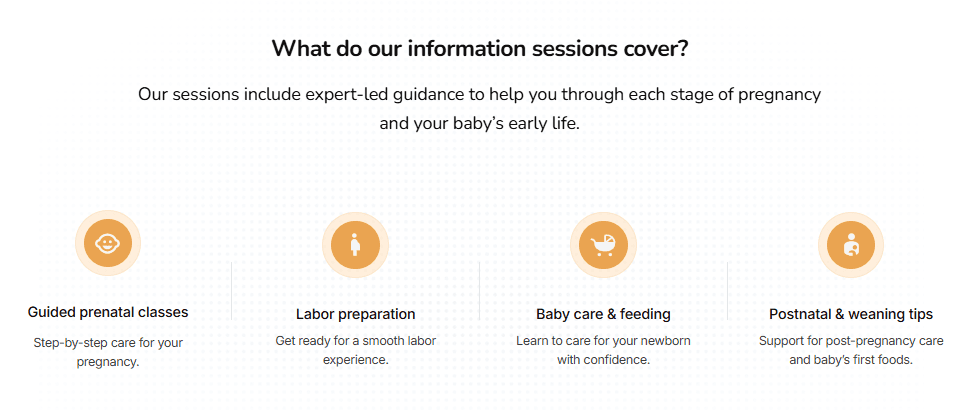
This structured pregnancy guidance program offers expert-led sessions that walk you through pregnancy, birth, and early baby care step by step. When you know what to expect during labor, breastfeeding, and newborn care, fear slowly turns into confidence. That clarity itself reduces anxiety and emotional overload.
Rita’s Pregnancy 101 focuses strongly on mental calm and emotional awareness. The sessions help mothers understand why emotional changes happen during pregnancy, so mood swings feel less confusing and less scary. You learn to recognize your emotions instead of fighting them.
The program also includes pregnancy yoga classes that combine gentle movement, breathing, and meditation. These practices help release stress, improve sleep, and build emotional balance. Preparing the body for labor also builds inner confidence, which reflects emotionally.
Beyond learning, the program creates a supportive environment where moms-to-be connect with others on the same journey. Feeling heard and understood reduces loneliness, especially in Indian families where emotions are often kept silent. By combining knowledge, movement, and community, Rita’s Pregnancy 101 helps mothers feel calmer, stronger, and emotionally prepared for motherhood.
Simple ways Indian moms can manage mood swings
Prioritise rest and sleep: Your body is doing extra work, so rest is not optional. Short naps during the day, early bedtimes, and saying no to unnecessary tasks can help stabilize emotions.
Eat a balanced Indian diet: Include iron-rich foods like spinach and dates, calcium from milk or curd, and protein from dal, paneer, or nuts. Good nutrition supports both energy levels and emotional balance.
Stay gently active: Simple walking after meals or prenatal yoga keeps blood circulation healthy and helps release feel-good hormones. Movement often reduces restlessness and irritability.
Create calming daily routines: Deep breathing, light stretching, or a few minutes of quiet time in the morning can calm the mind. Consistent routines make emotions feel more manageable.
Talk openly with loved ones: Share how you feel with your spouse or a trusted family member. Speaking your emotions out loud reduces mental pressure and reminds you that you are not alone in this journey.
Conclusion
Mood swings during pregnancy are not something you need to fight or feel guilty about. They are signs that your body and mind are adjusting to one of the biggest changes of your life. From hormonal shifts to physical tiredness and emotional pressure, every feeling you experience has a reason behind it.
For Indian moms especially, learning to slow down, ask for help, and listen to your emotions can make this journey gentler. Simple habits, emotional support, and calming practices like online yoga for pregnancy can bring balance and reassurance.
Trust yourself, trust your body, and remember that taking care of your emotional well-being is also a way of taking care of your baby.