
TL;DR
Prenatal and postnatal yoga help manage physical and emotional changes from pregnancy to recovery.
Safe, gentle yoga can reduce pain, improve sleep, and build strength for labor.
Not all yoga is suitable, especially for high-risk pregnancy, so the right guidance matters.
Postnatal yoga focuses on core healing, pelvic floor recovery, and mental well-being.
Consistent practice supports faster recovery and lowers stress and anxiety.
Structured programs like Rita’s Pregnancy 101 combine yoga, mindfulness, and practical support for real-life motherhood.
Pregnancy brings a lot of joy, but also backaches, sleepless nights, mood swings, and a body that feels completely unfamiliar. That's where a consistent prenatal yoga practice can genuinely change how your pregnancy feels, week to week.
Whether you're in your first trimester or just had your baby a few weeks ago, yoga can gently support your body and mind through every stage. It's not about flexibility or perfect poses. It's about breathing, staying strong, and feeling a little more in control during one of life's biggest transitions.
Let's break down exactly how it helps and what to expect.
How does yoga help during pregnancy and postpartum recovery?
From the first trimester to the postpartum weeks, your body goes through enormous physical and hormonal changes. Yoga works because it meets your body where it is, not where it was before pregnancy.
During pregnancy, consistent yoga practice lowers cortisol levels (your stress hormone), improves sleep quality, and builds the kind of functional strength you actually need for labor.
Your ligaments are still loose from the relaxin hormone, your core is weakened, and your mental health is under pressure. Gentle yoga addresses all of this without putting stress on a healing body.
For Indian mothers specifically, pregnancy can sometimes come with a lot of expectations from family, like "don't move too much," "just rest." But the truth is, mindful movement is protective, not risky. Yoga is something even your doctor will likely approve of (after a quick check-in).
What are the safe prenatal yoga exercises during pregnancy?
Not all yoga is safe during pregnancy. If you’re looking into yoga for high-risk pregnancy, it’s important to be extra careful. Hot yoga, intense upside-down poses, and deep core pressure should be avoided. But there are still gentle, safe options you can do, and they can really help you feel better.
What works well:
Cat-Cow Pose: It relieves lower back tension, especially in the second trimester when the bump grows.
Warrior II: It builds strength in the legs and hips without straining the belly.
Butterfly Pose: It opens the hips and helps prepare the pelvis for labor; it is very commonly recommended in Indian prenatal classes.
Child's Pose: It is a go-to for rest and gentle spinal decompression.
Breathing exercises: They teach you how to manage contractions through breath, not panic.
Rita's Prenatal classes include yoga, meditation, and Garbh Sanskar, the practice of bonding with your baby through music, affirmations, and mindful movement. This is something deeply rooted in Indian tradition and pairs beautifully with prenatal yoga.
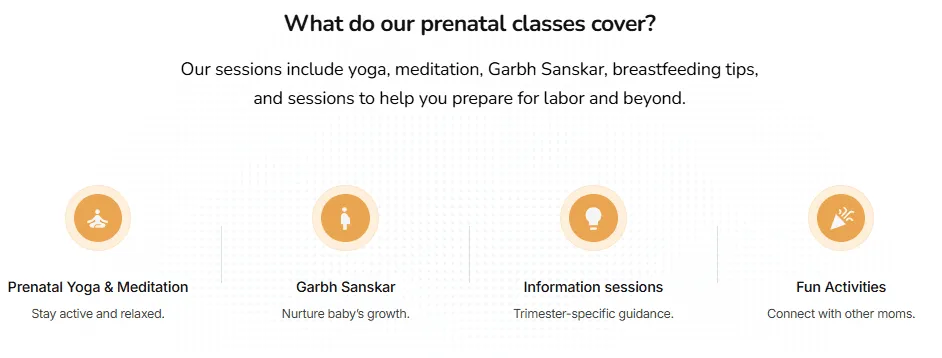
Classes also cover trimester-specific guidance, so you're never guessing what's safe at 16 weeks vs. 32 weeks.
Curious if this is right for you?
Book your 1-week prenatal demo at ₹99 and experience it for yourself!
Pro tip: Always let your instructor know your trimester and any complications. A certified prenatal yoga teacher will modify poses specifically for you.
What is postnatal yoga for recovery after childbirth?
Once your baby arrives, recovery becomes the priority. The postnatal yoga benefits are often underestimated, and many new moms assume they just need sleep and rest. Both are true, but gentle movement actually speeds up recovery when done right.
What postnatal yoga focuses on:
Pelvic floor rebuilding: The muscles stretched during delivery need careful, gradual strengthening.
Core restoration: It is especially important if you have diastasis recti (abdominal separation, which is very common).
Spinal alignment: It is hours of nursing, carrying, and bending over for nappy changes that wreak havoc on posture.
Nervous system regulation: It is breathwork and restorative poses that calm the overstimulated postpartum nervous system.
A common mistake many Indian mothers make is jumping back into intense workouts or household duties too quickly, often due to family pressure or the desire to "get back to normal." But the postpartum body needs 6 to 12 weeks of mindful recovery before any intensity is introduced.
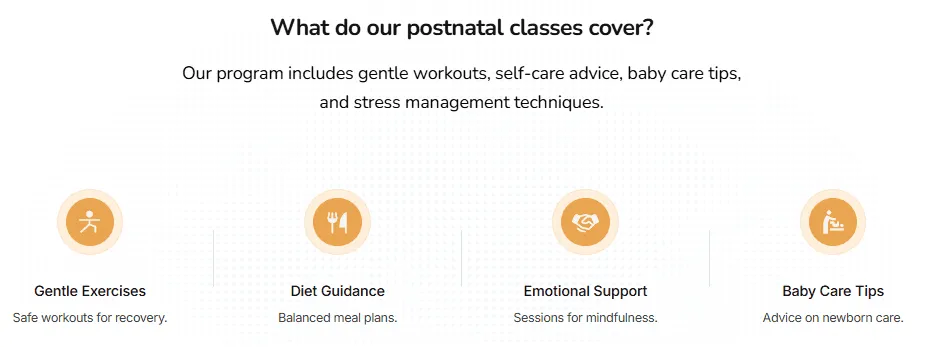
Rita's Postnatal Program is specifically built around this. Rather than a generic gym routine, it combines gentle exercises, balanced diet guidance, emotional support through mindfulness sessions, and baby care tips. It's designed for the real life of a new Indian mother, tired, nursing, and navigating a new normal. Start your recovery the right way.
Join the postnatal program today!
What are the benefits of prenatal and postnatal yoga for mothers?
Area | Key benefit |
Physical | Reduces back pain and hip discomfort |
Improves sleep quality | |
Builds strength for labor and delivery | |
Supports faster postpartum recovery | |
Helps rebuild core strength safely | |
Mental | Reduces stress and anxiety |
Supports emotional balance | |
Lowers the risk of postpartum depression | |
Lifestyle | Improves body awareness |
Connects you with a supportive mom community |
For a new mother in India balancing extended family expectations, feeding schedules, and her own recovery, yoga offers something rare: a dedicated hour that belongs entirely to her.
Conclusion
The prenatal yoga benefits don't stop at delivery; they carry straight into your postpartum recovery. The postnatal yoga benefits pick up exactly where prenatal practice leaves off. Whether you're 10 weeks pregnant or 6 weeks postpartum, the right yoga practice can reduce pain, lift your mood, and rebuild your strength safely.
If you're looking for expert guidance tailored to Indian mothers, Rita's Prenatal and Postnatal Programs at pregnancy101.in are worth exploring, from Garbh Sanskar sessions to gentle postpartum workouts; it's all covered.
FAQs
How soon can I do postnatal yoga after a C-section?
Wait at least 6 to 8 weeks before starting postnatal yoga after a C-section, and always get your gynecologist's clearance first. Begin with gentle breathing and pelvic floor exercises only, and avoid any core or abdominal pressure for at least 12 to 16 weeks.
Does prenatal yoga help with back pain during pregnancy?
Yes. Cat-Cow, Child's Pose, and hip openers directly relieve lower back tension caused by your shifting center of gravity. Practicing 2 to 3 times a week can noticeably reduce back pain by the second trimester.
Can yoga help with postpartum depression?
Studies show postnatal yoga reduces postpartum depression symptoms by regulating the nervous system and lowering cortisol levels. It's a powerful complementary tool, though not a replacement for medical treatment in severe cases.
Does postnatal yoga help with diastasis recti?
Yes, but only when done correctly. A certified postnatal instructor will start you on safe core-rebuilding sequences like diaphragmatic breathing before progressing further.
Reading is good. Practicing is better.
Join 5,000+ moms in the P101 Onwards Care programs, yoga, meditation, information classes and a Saturday Q&A, from ₹1,000/month.
Explore Courses