
Pregnancy Yoga Class Online
TL;DR
Most Indian moms can safely start pregnancy yoga in the second trimester, usually from the 4th month (around 14 weeks), once the body feels more settled and the doctor gives approval.
Prenatal yoga is the safest option during pregnancy because it is designed specifically for pregnant bodies, focusing on gentle movements, breathing, posture support, and relaxation.
Yoga can be continued in the first trimester only if you were already practicing before pregnancy; beginners are advised to wait until the second trimester for better comfort and stability.
Online prenatal yoga classes are convenient for Indian moms, offering trimester-wise guidance, safe modifications, and the flexibility to practice from home.
Pelvic floor exercises can be started early in pregnancy and continued regularly to support bladder control, normal delivery, and faster recovery after childbirth.
Choosing the right time of day, avoiding high-impact activities, and listening to your body help make pregnancy yoga safe, calming, and beneficial for both mother and baby.
Stuck between elders’ advice and latest fitness trends? Wondering when to start pregnancy yoga while balancing family opinions and online videos?
Literally thousands of expecting Indian moms are asking the same thing. But actually, it's simpler than you think.
This guide breaks everything down, from the right time to begin to how pregnancy yoga online can support your body, mind, and baby safely and confidently from home.
What is the best time for prenatal yoga classes?
If you are wondering which is the safest period in pregnancy to start yoga, the clear and simple answer for most Indian moms is the second trimester, especially from the 4th month (around 14 weeks). This is the phase when your body feels more settled, and yoga starts to feel supportive rather than tiring.
Why is the second trimester ideal? (weeks 14 to 28)
For most Indian moms, the safest month to start pregnancy yoga is the 4th month, during the second trimester, with your doctor’s approval. This period is often called the most comfortable part of pregnancy.
Nausea and extreme tiredness usually ease, appetite improves, and energy slowly comes back. The risk of complications is also lower compared to the first trimester. That is why most doctors and prenatal yoga teachers recommend starting your yoga practice from this stage.
Yoga during this time helps you stay active without strain, improves posture as the belly grows, and teaches breathing techniques that are very useful later during labor.
Is pregnancy yoga safe in the first trimester?
If you were already doing yoga before pregnancy and your doctor has no concerns, you can continue gentle movements and breathing even in the first trimester. However, if yoga is new to you, it is better to wait until the 4th month, when the pregnancy is more stable, and your body feels stronger.
Can you do pregnancy yoga in the third trimester?
From the 7th month onwards, yoga is still safe and very helpful, as long as it is done mindfully. The focus shifts to relaxation, pelvic opening, and breathing for birth. Many Indian moms find these sessions calming, especially as delivery approaches. Using cushions, bolsters, or blocks helps with balance and comfort.
Best time of day for pregnancy yoga
There is no single “perfect” time; it depends on your routine.
Morning is great if you want a fresh, calm start to the day and better energy levels.
Midday works well for short sessions, especially if you sit for long hours and feel back or neck pain.
Evening pregnancy yoga is ideal for relaxing the body, calming the mind, and sleeping better at night. Choose a time when you feel least rushed and most comfortable.
Avoid heavy exercise or overheating. Practice at least two to three hours after a heavy meal. As your pregnancy progresses, avoid lying flat on your back or stomach, and always choose modified poses meant for pregnancy.
What to do and not to do in the first 3 months of pregnancy?
What to do | What not to do |
Take proper rest. Feeling sleepy or tired is normal, your body is working overtime. Short naps are absolutely okay. | Do not ignore warning signs like heavy bleeding, severe pain, or dizziness. Call your doctor immediately. |
Take folic acid daily as prescribed. Include palak, sarson, dals, and leafy sabzi in meals. | Do not self-medicate. Even cold or headache medicines need doctor approval. |
Eat small, frequent meals every 2–3 hours. Dry snacks like khakhra, plain biscuits, or makhana help with nausea. | Avoid unhygienic food like street food, raw sprouts, unpasteurised milk, and high-mercury fish. |
Stay hydrated with water, coconut water, lemon water, or jeera water. | Avoid raw papaya and pineapple, commonly advised against in early pregnancy. |
Add curd, dates, and jaggery. Pair iron-rich foods with lemon or amla for better absorption. | Do not eat for two. Extra calories needed are minimal, focus on nutrition instead. |
Go for regular check-ups. Early scans and blood tests help confirm that everything is progressing well. | Avoid heavy lifting and bumpy travel on rough roads when possible. |
Stay gently active with light walks or deep breathing for circulation. | Limit tea or coffee to 1–2 small cups a day. |
Every pregnancy is different. What worked for your friend, sister, or neighbor may not apply to you, especially with so many Indian pregnancy food myths passed around by well-meaning elders and relatives. Trust your doctor, trust your body, and take things one day at a time instead of feeling pressured to follow every opinion.
Which type of yoga is best during pregnancy?
The best and safest type of yoga during pregnancy is prenatal yoga. Prenatal yoga is specially designed for pregnant women. It focuses on gentle movements, safe stretches, breathing techniques, and relaxation, all adapted to support the changing pregnant body.
Unlike regular yoga, prenatal yoga avoids deep twists, intense poses, and pressure on the abdomen, making it safe for both mother and baby.
Why is prenatal yoga the best choice during pregnancy?
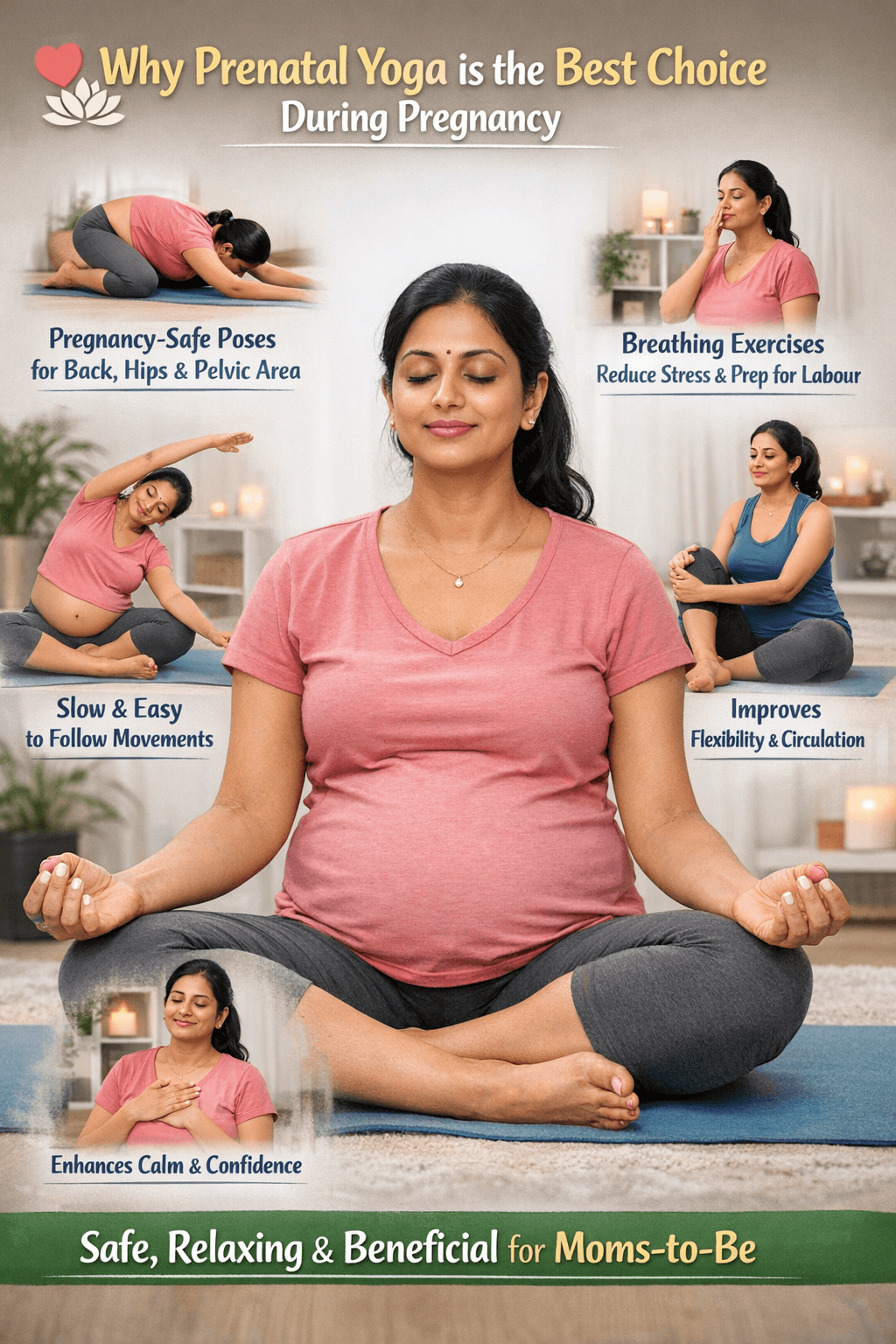
For Indian moms, the best online pregnancy yoga classes are especially helpful because they are guided, structured, and easy to follow from home. These programs are usually designed around trimester-wise yoga during pregnancy, so the movements and breathing stay aligned with your body’s changing needs.
Even if you were practicing yoga before pregnancy, it is still important to switch to a prenatal yoga format instead of continuing regular or power yoga, as it prioritizes safety for both you and your baby.
When should I start pelvic floor exercises?
Many Indian moms ask when they should start pelvic floor exercises, and the reassuring answer is, you can start right away. Pelvic floor exercises, also known as Kegels, are safe whether you are planning a pregnancy, already pregnant, or recovering after delivery.
During pregnancy, these exercises can be started as early as the first trimester, with your doctor’s approval. After a normal delivery, most women can gently resume them within a day or two. If you have had a C-section, it is better to wait about 4 to 6 weeks, once your doctor confirms it is safe.
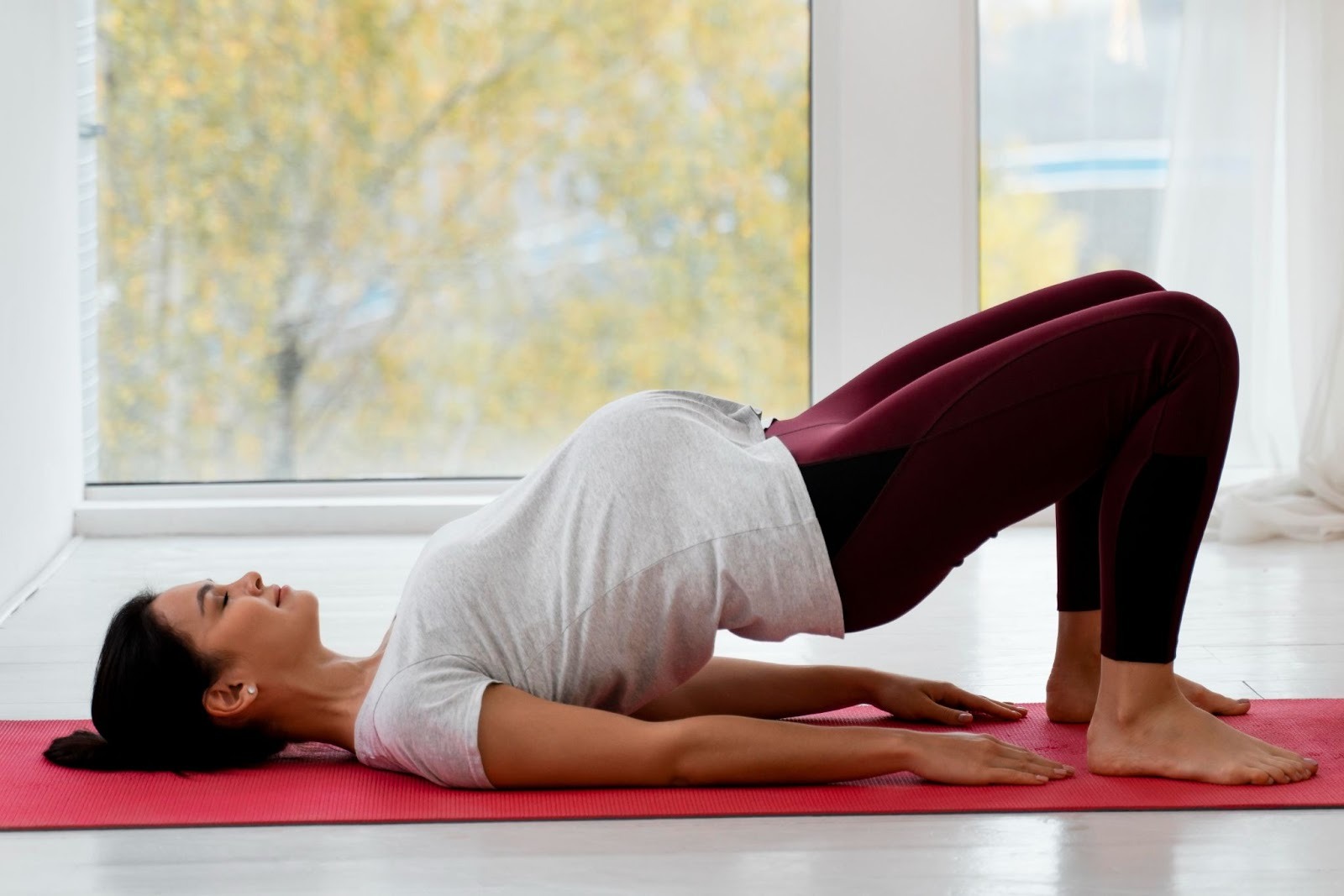
Pelvic floor exercises are especially helpful for Indian moms. They reduce urine leakage, support an easier normal delivery, speed up recovery after childbirth, and protect bladder health in the long run.
Doing them is simple. Tighten the muscles you use to stop urine, hold for five seconds, then relax. Repeat ten times, three times a day. You can do this anytime, even while resting or doing household work.
If you have a high-risk pregnancy, spotting, or specific medical concerns, it is always best to check with your gynecologist first. Otherwise, starting pelvic floor exercises early and continuing them regularly throughout pregnancy is both safe and highly recommended for Indian moms.
What exercises should I avoid in the 2nd trimester?
High-impact workouts like running, jumping, and skipping, which put pressure on joints and the pelvic floor.
Heavy weight lifting, including gym workouts or lifting heavy items at home.
Exercises lying flat on your back for long durations, as they can cause dizziness and reduce blood flow.
Deep twists and intense core exercises are often seen in regular or power yoga.
Sudden, fast movements such as energetic aerobics or dance routines.
Activities with a fall risk, like cycling on busy roads or uneven outdoor walking.
Overstretching, especially forcing flexibility beyond comfort.
Bumpy travel, such as long rides on two-wheelers or rickshaws on uneven roads, as jerky movements can strain the pelvic area.
Heavy household chores, including lifting water buckets or heavy grocery bags, can strain the lower back.
What’s the best way for a pregnant woman to sleep?
Getting comfortable at night can feel like a task during pregnancy, especially as the belly grows. For most Indian moms, the best sleeping position while pregnant is lying on the side, with the left side being the most recommended.
It helps improve blood flow to the baby, supports the placenta, and even reduces common issues like leg and ankle swelling. If you naturally turn to your right side, that is completely fine too. It is still a safe sleeping position while pregnant.
When to switch over to prenatal yoga, and what to expect during a class?
Many Indian moms start wondering, “Should I still continue my regular yoga, or is it time to switch to prenatal yoga?” In most cases, the right time to make that switch is after the first trimester, around the 4th month, once your doctor confirms everything is going well.
This is when the body feels more settled, energy slowly comes back, and movements need to be gentler and more supportive. That is why pregnancy yoga for beginners at home becomes a safe and comfortable option for many moms at this stage.
At Rita’s Pregnancy 101, prenatal programs are designed to support you physically, emotionally, and mentally. You can join live guided sessions for real-time interaction or choose recorded classes that fit easily into your daily routine.
What can you expect in a class?
Sessions include safe prenatal yoga and calming meditation, Garbh Sanskar practices to connect with your baby, and simple information sessions with trimester-wise guidance. You will also learn about breastfeeding, labour preparation, and post-pregnancy care, along with fun activities that help you bond with other expecting moms.
Wrap up
Pregnancy is a beautiful journey, and caring for your body and mind makes it even more special. Prenatal yoga online India offers the perfect way to stay active, calm, and connected with your baby from home.
Join a supportive community, stay informed, and enjoy this beautiful phase with confidence. Ready to begin? Explore our guided prenatal yoga classes designed just for Indian moms today.
FAQs
Is pregnancy yoga suitable for beginners?
Yes, pregnancy yoga is designed for beginners. Prenatal yoga focuses on gentle, safe movements and breathing, making it ideal even if you have never done yoga before.
Can I do the downward dog while pregnant?
Downward dog can be done with modifications and guidance, especially in early pregnancy. If it feels uncomfortable or causes pressure, it is best to skip it.
How often should I do yoga when pregnant?
Most Indian moms can safely practice prenatal yoga 3 to 5 times a week. Even short, regular sessions are more beneficial than long, tiring ones.
Is the butterfly pose safe during pregnancy?
Yes, the butterfly pose is generally safe and helpful. It supports hip flexibility and relaxation, but it should be done gently without forcing the stretch.
Can I do yoga every day while pregnant?
Yes, gentle prenatal yoga and breathing can be done daily, as long as you listen to your body and avoid overexertion.