
TL;DR
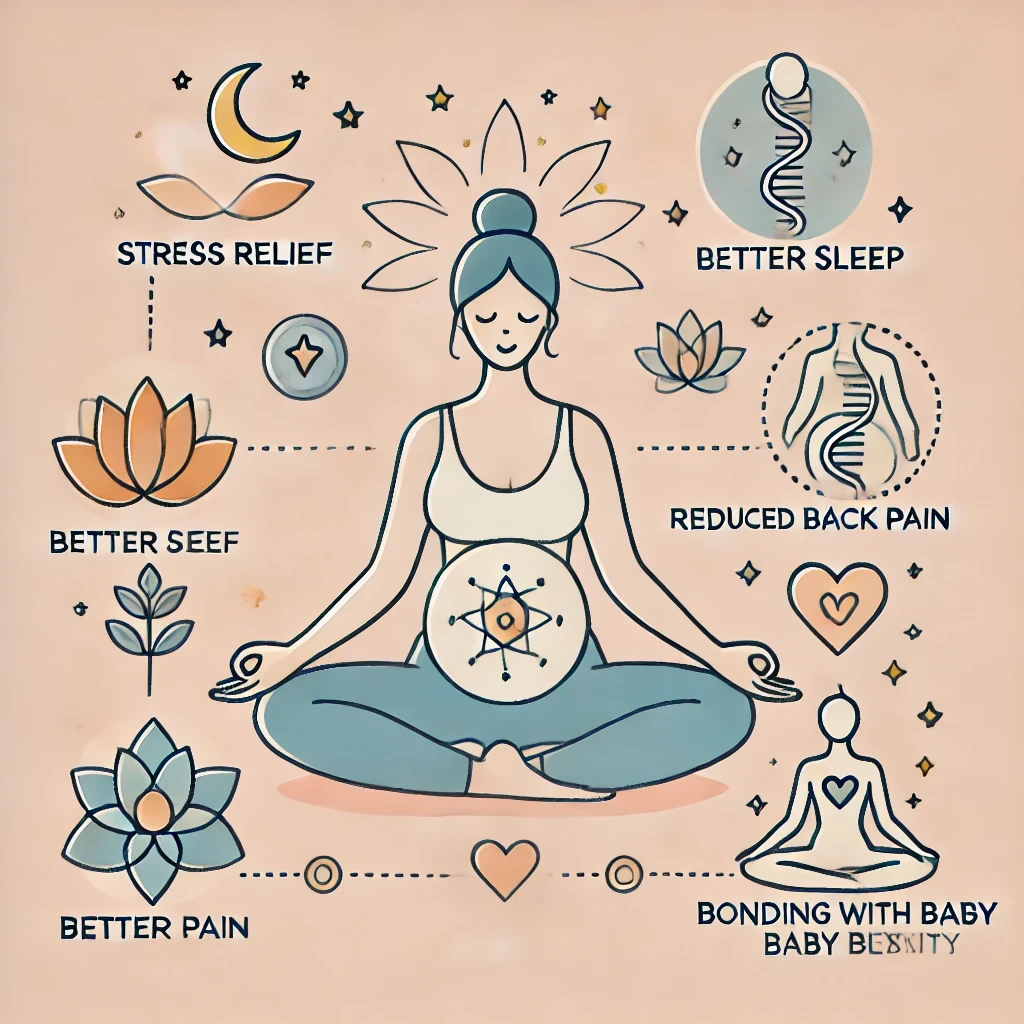
Prenatal yoga helps ease bloating, improve digestion, and promote better circulation.
It relaxes your body and mind, helping you sleep better and feel more rested.
Prenatal yoga strengthens your connection with your body, preparing you for labor.
Breathing exercises and relaxation techniques help reduce anxiety and fear about childbirth.
Prenatal yoga offers a supportive community where you can connect with other expecting moms.
Regular practice helps you feel confident, calm, and ready for childbirth while supporting your overall well-being.
Prenatal yoga is more than just gentle stretching or a way to stay active; it's a powerful tool that supports your physical and emotional well-being during pregnancy. While many people know that yoga helps with flexibility and relaxation, some lesser-known benefits can make your pregnancy journey smoother, more comfortable, and even more enjoyable.
For starters, prenatal yoga can ease common pregnancy discomforts like back pain, swollen feet, or tight hips. It can also improve digestion, which often gets sluggish during pregnancy, and help you sleep more soundly by calming your nervous system.
The focus on mindful breathing and body awareness helps you feel more in tune with yourself, which can be incredibly grounding as your body changes. What’s more, practicing prenatal yoga regularly can reduce anxiety and help you manage fear around childbirth.
It creates a sense of calm and control, building confidence in your body’s natural ability to give birth. If you join a group online class, it's your chance to meet other moms-to-be, share experiences, and create a sense of community and support.
In this blog, we’ll dive into five surprising benefits of prenatal yoga that go beyond the basics and show how this practice can be a strong companion during your pregnancy, physically, emotionally, and socially.
5 Surprising Benefits of Prenatal Yoga Classes
1. Boosts digestion and eases bloating
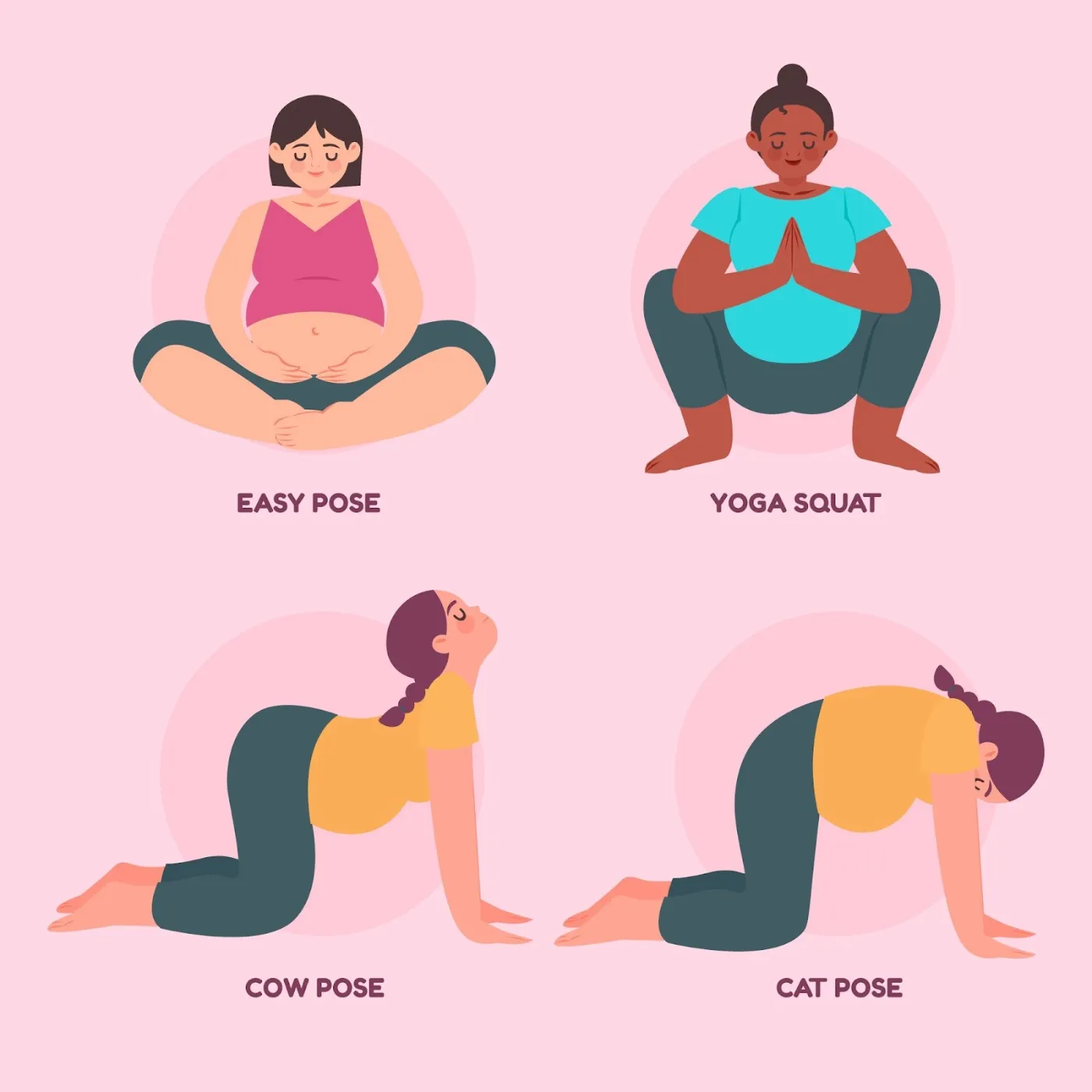
Pregnancy can slow down digestion, leading to bloating and discomfort. Prenatal yoga helps by promoting better circulation and easing digestive problems. Gentle stretches and poses like Cat-Cow and Seated Forward Fold help relieve bloating and support digestion by massaging the digestive organs.
Deep breathing is a big part of prenatal yoga, and it does more than just help you relax. These slow, steady breaths can help your body digest food better. When you breathe deeply, it sends signals to your nervous system to calm down, which helps your digestive system work more smoothly.
This can be especially helpful during pregnancy when many women deal with bloating, gas, or constipation. Gentle movements combined with focused breathing can get things moving, ease pressure in your belly, and leave you feeling lighter and more comfortable.
2. Helps you sleep better at night
Many pregnant women find it hard to get good sleep. This can be due to body aches, a growing belly, or even anxiety about the changes happening. Prenatal yoga can be a big help when it comes to getting better rest.
The gentle movements and stretches in yoga help relax tight muscles, especially in the back, hips, and legs, which often feel sore during pregnancy. When your body feels more comfortable, it’s easier to fall asleep and stay asleep.
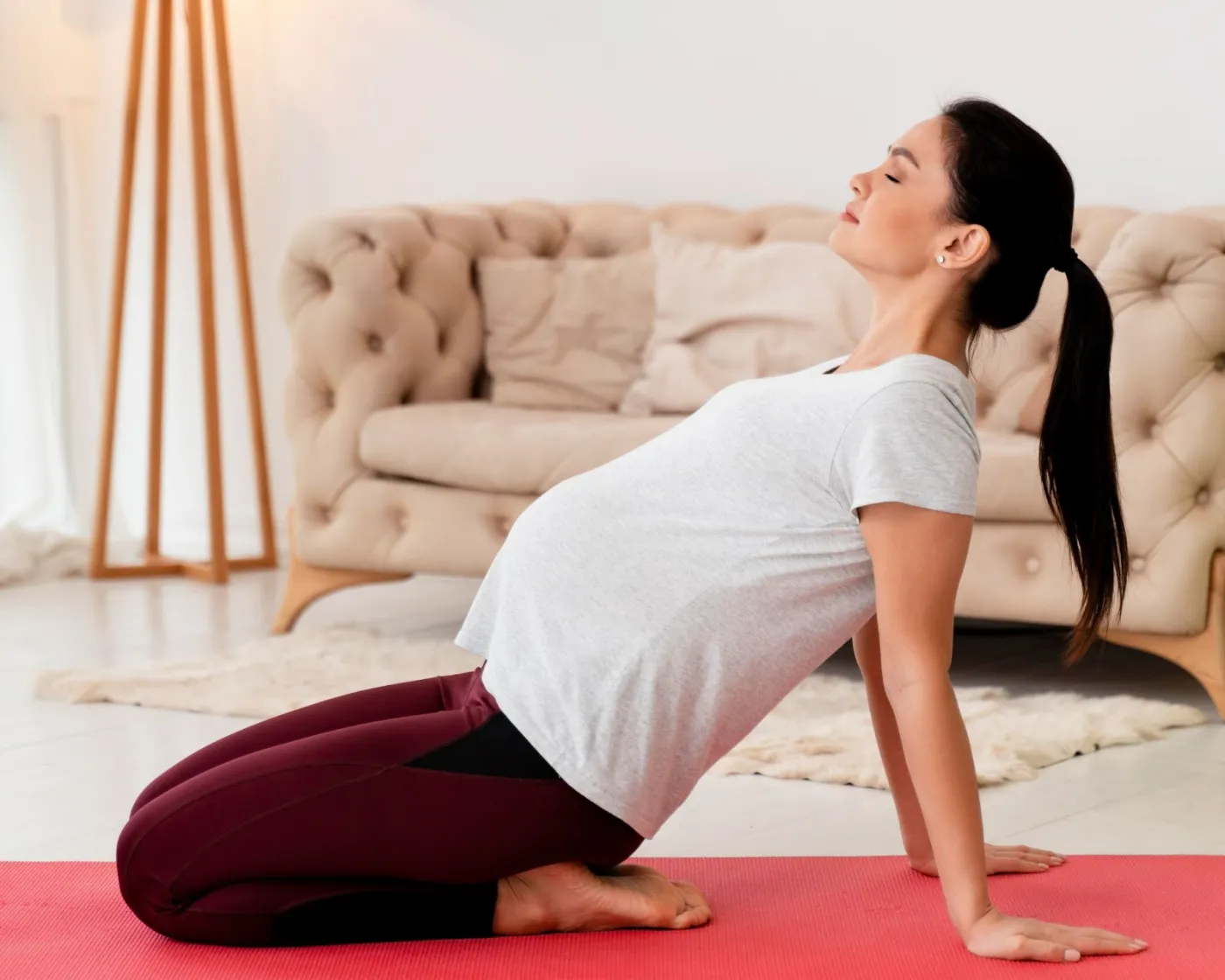
Breathing exercises are also a key part of prenatal yoga. Slow, deep breathing helps calm your nervous system and quiet your mind. It’s like telling your body, “It’s okay to rest now.” By combining movement with deep relaxation, prenatal yoga creates the perfect wind-down routine, helping you sleep more peacefully and wake up feeling more refreshed.
Poses like Child’s Pose and Reclining Goddess help open up the body and promote relaxation. With consistent practice, prenatal yoga can improve your sleep quality, allowing you to wake up feeling more rested.
3. Strengthens your mind-body connection for labor
Prenatal yoga is a great way to connect your mind and body, which is important as you get ready for labor. During each session, you learn how to slow down, pay attention to your body, and notice how you’re feeling physically and emotionally.
This kind of body awareness helps you recognize early signs of labor, know when to rest, and understand what your body needs at each moment. It also teaches you to stay calm and focused, even when things get intense.
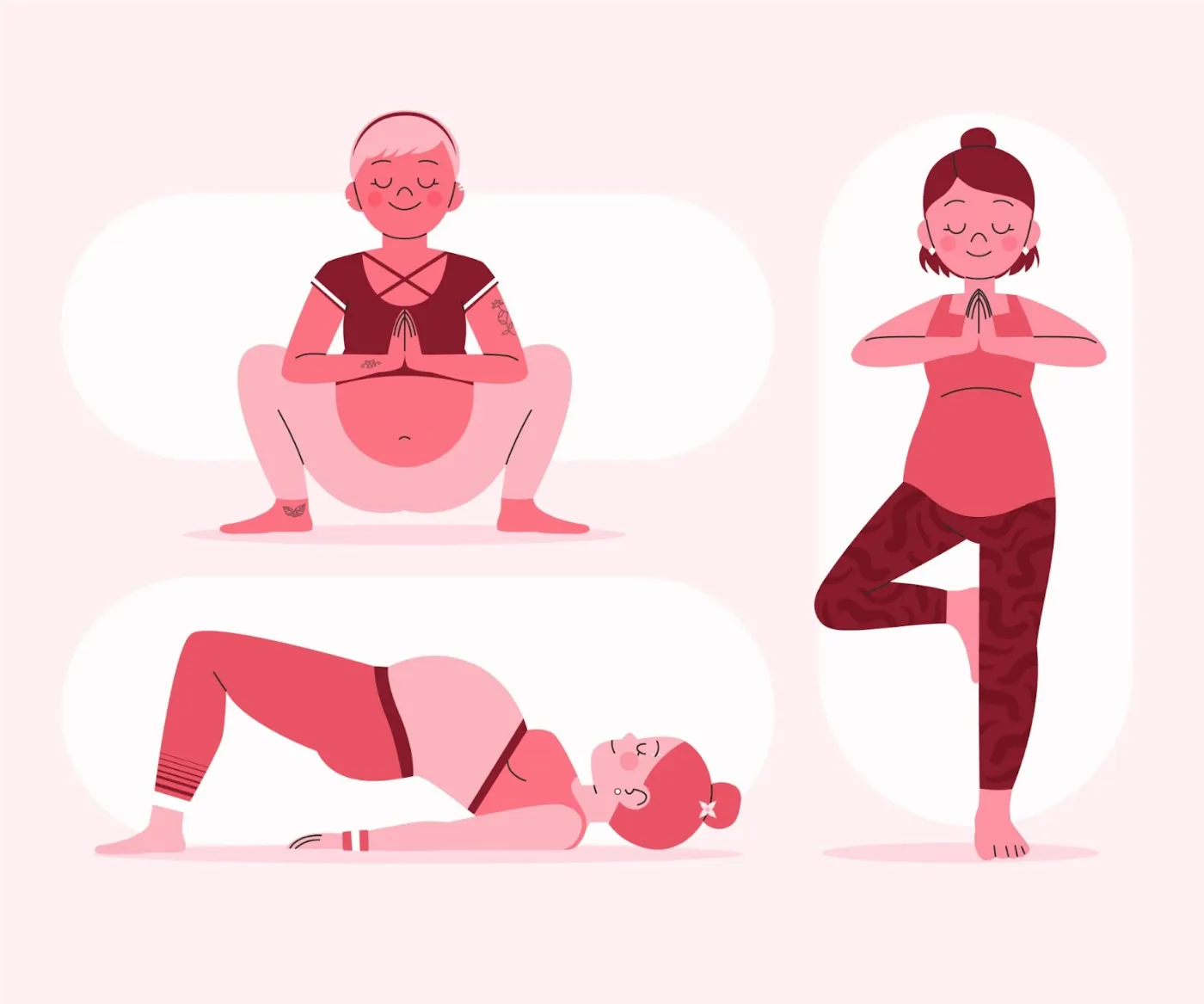
The deep breathing techniques you practice help you stay calm and focused during labor. Prenatal yoga also strengthens the muscles used in labor, such as the pelvic floor, hips, and legs. Poses like Squats and Hip Openers build strength and flexibility, making it easier for your body to move during labor. This practice helps you feel more confident and prepared for childbirth.
4. Reduces fear and anxiety about childbirth
For many women, fear and anxiety about childbirth can be overwhelming. Prenatal yoga can help reduce these feelings by creating a peaceful and supportive environment. The breathing exercises you learn help calm the nervous system and reduce stress.

Meditation and relaxation techniques help you focus on the present and let go of fear. Prenatal yoga classes also provide a space to talk about childbirth, offering support and advice. This can help you feel more confident and less anxious about the birth process. With regular practice, yoga helps you feel more in control and at ease as you approach labor.
5. Build a support network with other moms-to-be
Pregnancy can sometimes feel lonely, especially if you’re going through it without a strong support system. Prenatal yoga classes offer a chance to connect with other expecting mothers. You can share experiences, ask questions, and talk about the changes you’re going through.
These connections can help you feel less isolated and more supported. Prenatal yoga also fosters a sense of community, where you can make new friends and gain reassurance from others who are in the same stage of pregnancy. Having a support network of other moms-to-be can provide comfort and create lasting friendships.
Final words
Prenatal yoga offers more than just stretching; it helps you physically and mentally during pregnancy. It can ease bloating, improve digestion, and help you sleep better. Prenatal yoga also strengthens your connection with your body, making you feel more prepared for labor.
Breathing exercises and relaxation techniques reduce fear and anxiety about childbirth, so you feel more confident. Plus, prenatal yoga gives you a chance to meet and connect with other expecting moms, creating a supportive community.
Whether you want to ease discomfort, stay strong, or get ready for labor, online prenatal yoga classes are a great way to care for yourself and your baby. Regular practice will help you feel calm, confident, and ready for the journey ahead.
Reading is good. Practicing is better.
Join 5,000+ moms in the P101 Onwards Care programs, yoga, meditation, information classes and a Saturday live Q&A, from ₹1,000/month.
Explore Courses