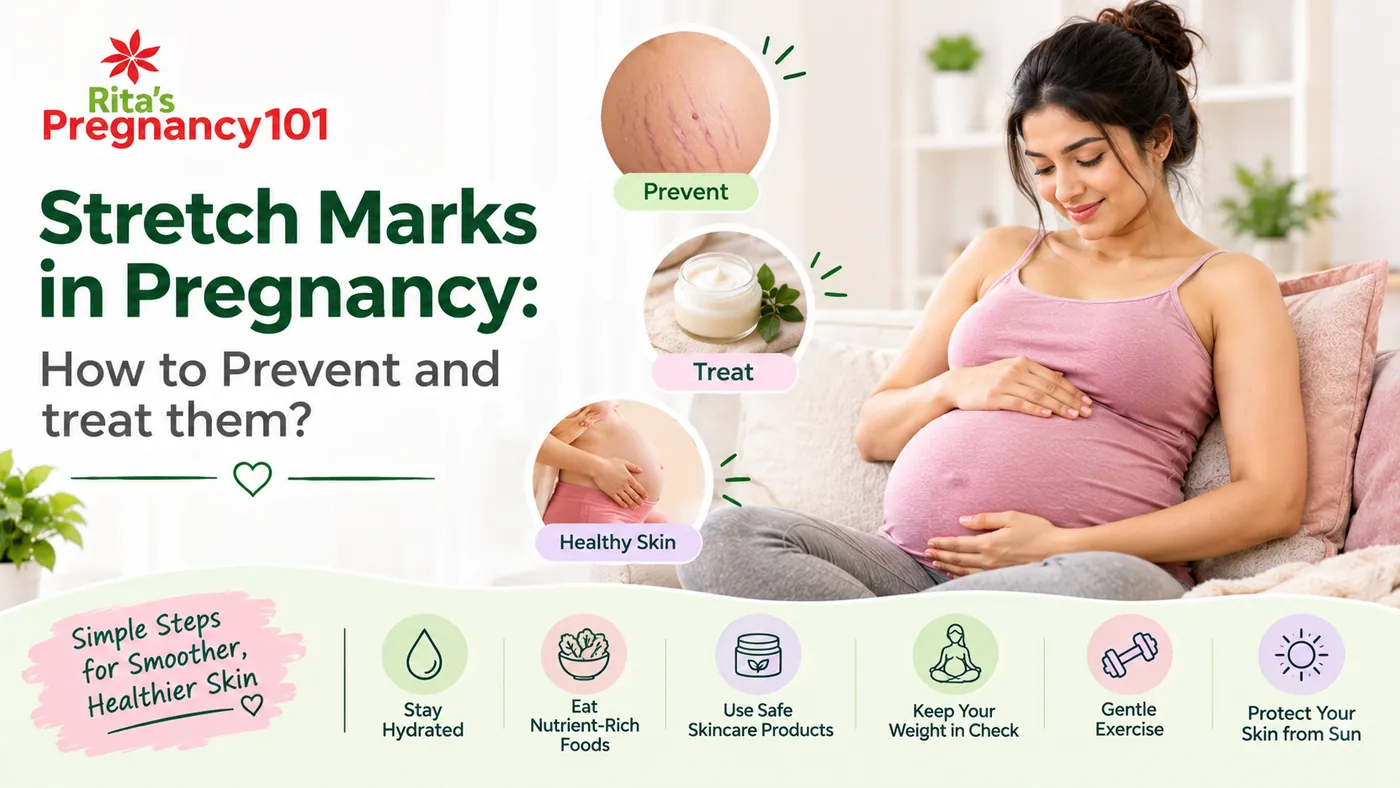
Stretch marks in pregnancy are common skin changes that develop as the abdomen, breasts, hips and thighs expand to accommodate a growing baby. Although they cannot always be prevented, understanding why they appear and following a gentle skincare routine may help keep your skin comfortable. Most stretch marks gradually become lighter after childbirth, although they may not disappear completely.
Pregnancy stretch marks, medically known as striae gravidarum, can appear as pink, red, purple, brown or darker lines, depending on your skin tone. They may initially feel slightly raised or itchy before becoming flatter and lighter over time.
Many expecting mothers try oils, creams and home remedies to prevent these marks. However, scientific evidence does not support the claim that any particular cream or oil can reliably prevent or remove them. The focus should be on healthy skin care, safe product choices and realistic expectations.
Let's understand why stretch marks develop, how can you relieve common pregnancy discomforts, which treatments may help after delivery and which skincare ingredients you should avoid.
What Are Stretch Marks in Pregnancy?
Stretch marks are narrow lines or streaks that develop when the skin stretches or changes rapidly. During pregnancy, they commonly appear on the abdomen, breasts, hips, thighs and buttocks as the body changes.
The middle layer of the skin, called the dermis, contains collagen and elastin fibres that help maintain its structure and elasticity. When these fibres become disrupted, stretch marks can develop.
You may notice different stages of stretch marks:
- Early stretch marks: Often appear pink, red, purple or brown and may feel slightly raised or itchy.
- Mature stretch marks: Gradually become lighter, flatter and more silvery or pale.
- Postpartum stretch marks: Often become less noticeable as the skin changes and hormones settle after childbirth.
Stretch marks are not harmful to your baby and generally do not require medical treatment. However, if they cause discomfort or affect your confidence, a dermatologist can discuss available options.
According to the NHS, stretch marks affect around 8 out of 10 pregnant women. Their appearance and severity vary from person to person.
What Causes Stretch Marks During Pregnancy?
Stretch marks develop due to a combination of skin changes around 26 weeks of pregnancy, hormonal changes and individual genetic factors. Pregnancy causes the abdomen and other areas to expand, while hormonal changes can influence the structure and elasticity of the skin.
Here are some common contributing factors.
1. Rapid Skin Stretching
As your baby grows, your abdomen expands to accommodate the developing uterus. Your breasts, hips and thighs may also increase in size.
When the skin stretches quickly, the supporting collagen and elastin fibres in the dermis can become disrupted, resulting in stretch marks.
2. Hormonal Changes
Pregnancy hormones influence several changes in the skin. They may affect collagen production and the way skin responds to stretching.
This is one reason why some women develop noticeable stretch marks even when their weight gain is within the recommended range.
3. Genetic Factors
Your family history can influence your likelihood of developing stretch marks. If your mother or close family members experienced them during pregnancy, you may have a higher chance of developing them too.
However, genetics do not determine the outcome with certainty.
4. Pregnancy Weight Changes
Weight gain is a normal part of pregnancy. The amount and rate of weight gain can influence how much the skin stretches.
Follow your healthcare provider's recommendations for healthy pregnancy weight gain based on your pre-pregnancy weight, health and individual needs. Do not restrict food or attempt to lose weight to prevent stretch marks.
5. Individual Skin Characteristics
Skin elasticity, age, hormonal factors and other individual characteristics can influence how stretch marks develop.
This explains why two women with similar pregnancy experiences may have very different skin changes.
Can You Prevent Stretch Marks During Pregnancy?
There is no guaranteed way to prevent stretch marks during pregnancy. Regular moisturising can help keep your skin soft and reduce dryness or tightness, but creams and oils have not been proven to reliably stop stretch marks from developing.
A Cochrane review examining topical preparations for preventing pregnancy stretch marks found no clear evidence that the studied creams, lotions and oils prevented their development.
Still, a gentle skincare routine can support skin comfort as your body changes.
1. Moisturise Your Skin Regularly
Apply a gentle, pregnancy-appropriate moisturiser to areas that feel dry or tight, such as your abdomen, breasts, hips and thighs.
Look for products with ingredients such as:
- Glycerin
- Hyaluronic acid
- Ceramides
- Plain petrolatum
- Fragrance-free moisturising ingredients
These ingredients can support skin hydration and help reduce dryness. However, moisturising should not be presented as a guaranteed stretch mark prevention method.
2. Stay Hydrated
Drink enough water throughout the day to support your body's hydration needs.
Hydration is important for overall health, although drinking extra water has not been proven to prevent stretch marks.
3. Follow Healthy Pregnancy Weight Gain Guidance
Weight gain is expected during pregnancy, but the recommended amount varies depending on your pre-pregnancy BMI, whether you are carrying one baby or multiples, and other health factors.
Your doctor can help you understand an appropriate weight-gain range. Avoid crash diets, calorie restriction or attempts to control normal pregnancy weight changes for cosmetic reasons.
4. Avoid Scratching Itchy Skin
As your abdomen expands, you may notice tightness, dryness or mild itching.
Instead of scratching with your nails:
- Apply a gentle moisturiser.
- Wear loose, breathable clothing.
- Use lukewarm rather than very hot water.
- Pat your skin dry instead of rubbing it.
- Choose fragrance-free products if your skin is sensitive.
If itching becomes intense, spreads or occurs particularly on your palms and soles, contact your healthcare provider. Itching during pregnancy is not always caused by skin stretching and may need medical investigation.
5. Choose Pregnancy-Appropriate Skincare
Check the ingredient list before using a new stretch mark cream, oil and serum or read our guide on pregnancy skin sensitivity and allergens.
Avoid products containing retinoids, including retinol and tretinoin, during pregnancy. If you are unsure about an ingredient, ask your obstetrician, dermatologist or pharmacist before applying it.
Remedies for Pregnancy Stretch Marks: What Actually Helps?
Remedies for pregnancy stretch marks often include moisturising creams, body oils and gentle skincare practices. These can help soothe dry or tight skin, but there is limited evidence that home remedies prevent stretch marks or make existing marks disappear.
Let's look at some commonly used options and what you can realistically expect from them.
1. Cocoa Butter
Cocoa butter is commonly included in pregnancy body creams because it helps moisturise the skin.
It may help reduce dryness and improve skin softness. However, studies have not established that cocoa butter reliably prevents pregnancy stretch marks.
2. Coconut Oil
Coconut oil is used by many women as a body moisturiser.
If your skin tolerates it, a small amount may help reduce dryness. However, there is no reliable evidence that coconut oil prevents or removes stretch marks.
Choose a product that suits your skin and stop using it if you notice irritation or an allergic reaction.
3. Almond Oil
Almond oil is another popular ingredient in pregnancy skincare products.
Gentle application may help moisturise the skin, but research has not established that almond oil alone can prevent stretch marks.
Avoid it if you have a known almond or nut allergy, and check product ingredients carefully.
4. Aloe Vera Gel
Aloe vera is commonly used in skincare products for its moisturising and soothing properties.
A suitable, fragrance-free product may help with skin dryness, but there is insufficient evidence that aloe vera removes pregnancy stretch marks.
Choose products with clear ingredient labels and avoid formulations containing irritating additives.
5. Hyaluronic Acid
Hyaluronic acid is a moisturising ingredient that helps the skin retain water.
Some research suggests that topical products containing hyaluronic acid may offer a modest preventive benefit, although the evidence is limited. It should not be considered a guaranteed solution.
6. Centella Asiatica
Centella asiatica is a plant-derived ingredient used in certain skincare formulations.
Some studies have explored its potential role in reducing stretch mark development. However, the evidence remains limited, and more research is needed.
Ask your healthcare provider before using concentrated botanical products during pregnancy.
Important: Moisturisers and oils can support skin comfort, but they do not repair disrupted collagen fibres or guarantee that stretch marks will not appear. Research has also found that commonly used home remedies such as almond oil, cocoa butter, olive oil and vitamin E do not reliably prevent or fade stretch marks.
Stretch Mark Removal During Pregnancy: Which Treatments Are Safe?
Stretch mark removal during pregnancy requires particular caution because many treatments used to improve skin appearance are not suitable while you are expecting. There is no proven treatment that completely removes stretch marks during pregnancy.
The safest approach is to focus on gentle moisturising and skin comfort rather than trying aggressive cosmetic treatments.
Skincare Ingredients to Avoid During Pregnancy
Pay attention to the following ingredients and treatments:
| Ingredient or treatment | Pregnancy guidance |
|---|---|
| Retinol and retinoids | Avoid during pregnancy |
| Tretinoin creams | Avoid during pregnancy |
| Prescription vitamin A derivatives | Do not use unless specifically advised by your healthcare team |
| Strong chemical peels | Avoid cosmetic treatment without specialist medical advice |
| Laser and energy-based procedures | Postpone elective stretch mark treatments during pregnancy |
| Unverified herbal creams | Check the full ingredient list with a healthcare professional |
Retinoids, including retinol and tretinoin, are particularly important to avoid. Although some topical retinoids are used to improve early stretch marks outside pregnancy, they are not recommended during pregnancy because of potential risks.
What Can You Do Instead?
During pregnancy, concentrate on maintaining a simple and gentle skincare routine:
- Use a moisturiser that suits your skin.
- Avoid harsh scrubs and aggressive exfoliation.
- Do not use products with unclear ingredient lists.
- Avoid trying multiple new products at once.
- Consult a dermatologist if you develop persistent itching, irritation or unusual skin changes.
The goal is to keep your skin comfortable and avoid unnecessary exposure to potentially unsuitable ingredients.
How to Reduce Stretch Marks After Pregnancy?
Reduce stretch marks after pregnancy by allowing your skin time to recover and discussing suitable treatment options with a dermatologist if the marks remain bothersome. Stretch marks often become lighter naturally after childbirth, although they may not disappear completely. Some cosmetic treatments can improve their appearance, but results vary.
1. Give Your Skin Time to Change Naturally
After delivery, the abdomen and other areas gradually change as your body recovers.
Early stretch marks may fade from red, pink or purple to lighter, silvery or pale lines. This process can take time and varies from person to person.
You do not need to begin cosmetic treatments immediately after childbirth.
2. Continue Gentle Moisturising
Continue using a suitable moisturiser if your skin feels dry or tight.
Products containing glycerin, ceramides or hyaluronic acid can help maintain skin hydration. However, moisturising alone will not remove established stretch marks.
3. Discuss Topical Treatments With a Dermatologist
Some topical treatments may improve the appearance of newer stretch marks.
A dermatologist may discuss options such as:
- Hyaluronic acid-based products.
- Prescription tretinoin for selected patients.
- Other dermatologist-recommended topical formulations.
Tretinoin and other retinoids should not be started during pregnancy. If you are breastfeeding, ask your dermatologist and healthcare provider before using any retinoid product. Follow their guidance about the product, application area and infant exposure.
4. Consider Dermatological Procedures
If stretch marks remain noticeable after pregnancy, a dermatologist may discuss cosmetic procedures depending on your skin type, the age of the marks and your expectations.
Potential options include:
Laser treatments: Different laser types may improve colour, texture or the appearance of stretch marks. Multiple sessions may be required.
Microneedling: This procedure uses fine needles to create controlled micro-injuries in the skin, encouraging collagen remodelling.
Microdermabrasion: This technique exfoliates the outer skin layer and may improve the appearance of some skin concerns.
Radiofrequency treatments: These use energy to heat deeper skin layers and may help improve skin texture.
None of these procedures guarantees complete stretch mark removal. A dermatologist should explain the expected results, risks, number of sessions and suitability for your skin tone.
If you are breastfeeding, discuss the timing and safety of elective cosmetic procedures with your dermatologist rather than assuming every postpartum treatment is automatically suitable.
Conclusion: Caring for Your Skin Through Pregnancy and Beyond
Stretch marks are a natural part of pregnancy for many women. They develop as the skin changes to accommodate your growing baby, with genetics and hormonal factors also influencing their appearance. Although no skincare product can guarantee prevention or complete removal, gentle moisturising and appropriate skin care can help manage dryness and discomfort.
During pregnancy, prioritise safe skincare rather than aggressive treatments or products promising instant results. After delivery, give your skin time to recover and consult a dermatologist if you want to explore options for reducing the appearance of persistent marks.
At Rita’s Pregnancy101, we believe that every mother's pregnancy journey deserves informed care and support. Remember, stretch marks are not a sign that you have done anything wrong. Your body is changing, and caring for your skin should be about comfort, safety and confidence rather than chasing perfect skin.
Frequently Asked Questions
1. Can stretch marks in pregnancy be prevented completely?
Stretch marks in pregnancy cannot be prevented completely because genetics, hormonal changes and individual skin characteristics influence their development. Moisturising may help keep the skin comfortable, but no cream or oil has been proven to reliably prevent stretch marks.
2. How can I reduce stretch marks after pregnancy?
To reduce stretch marks after pregnancy, allow time for natural fading and maintain a gentle moisturising routine. If the marks remain bothersome, consult a dermatologist about suitable options such as selected topical treatments, laser therapy or microneedling. Results vary, and complete removal cannot be guaranteed.
3. Is stretch mark removal during pregnancy safe?
Stretch mark removal during pregnancy is generally not recommended through cosmetic procedures or strong active treatments. Avoid retinol, tretinoin and other retinoids, and postpone elective laser or microneedling procedures. Focus on gentle skincare and consult your dermatologist about any product you plan to use.
4. Which remedies for pregnancy stretch marks actually work?
Remedies for pregnancy stretch marks such as coconut oil, cocoa butter and aloe vera may help moisturise dry skin, but they have not been proven to reliably prevent or remove stretch marks. Some ingredients, such as hyaluronic acid, have limited evidence of potential benefit, but results are not guaranteed.
5. Do pregnancy stretch marks disappear after delivery?
Pregnancy stretch marks often become lighter and less noticeable after delivery as the skin changes and hormones settle. However, they may remain visible as pale or silvery lines. Some women may consider dermatological treatments if they want to improve their appearance.
6. Can I use retinol cream to treat stretch marks after pregnancy?
Retinol and other retinoids should be avoided during pregnancy. After delivery, ask your dermatologist whether a retinoid is appropriate, particularly if you are breastfeeding. Do not start prescription tretinoin or other active treatments without professional guidance.
7. When should I worry about itching around pregnancy stretch marks?
Mild skin tightness and itching can occur as your abdomen expands. However, severe or persistent itching, especially on the palms and soles or at night, needs medical assessment. It may indicate a condition such as intrahepatic cholestasis of pregnancy rather than ordinary skin stretching.
Reading is good. Practicing is better.
Join 5,000+ moms in the P101 Onwards Care programs, yoga, meditation, information classes and a Saturday Q&A, from ₹1,000/month.
Explore Courses