
Nail Changes During Pregnancy: Causes
Mar 24, 2025
Rita Singha
Pregnancy Health
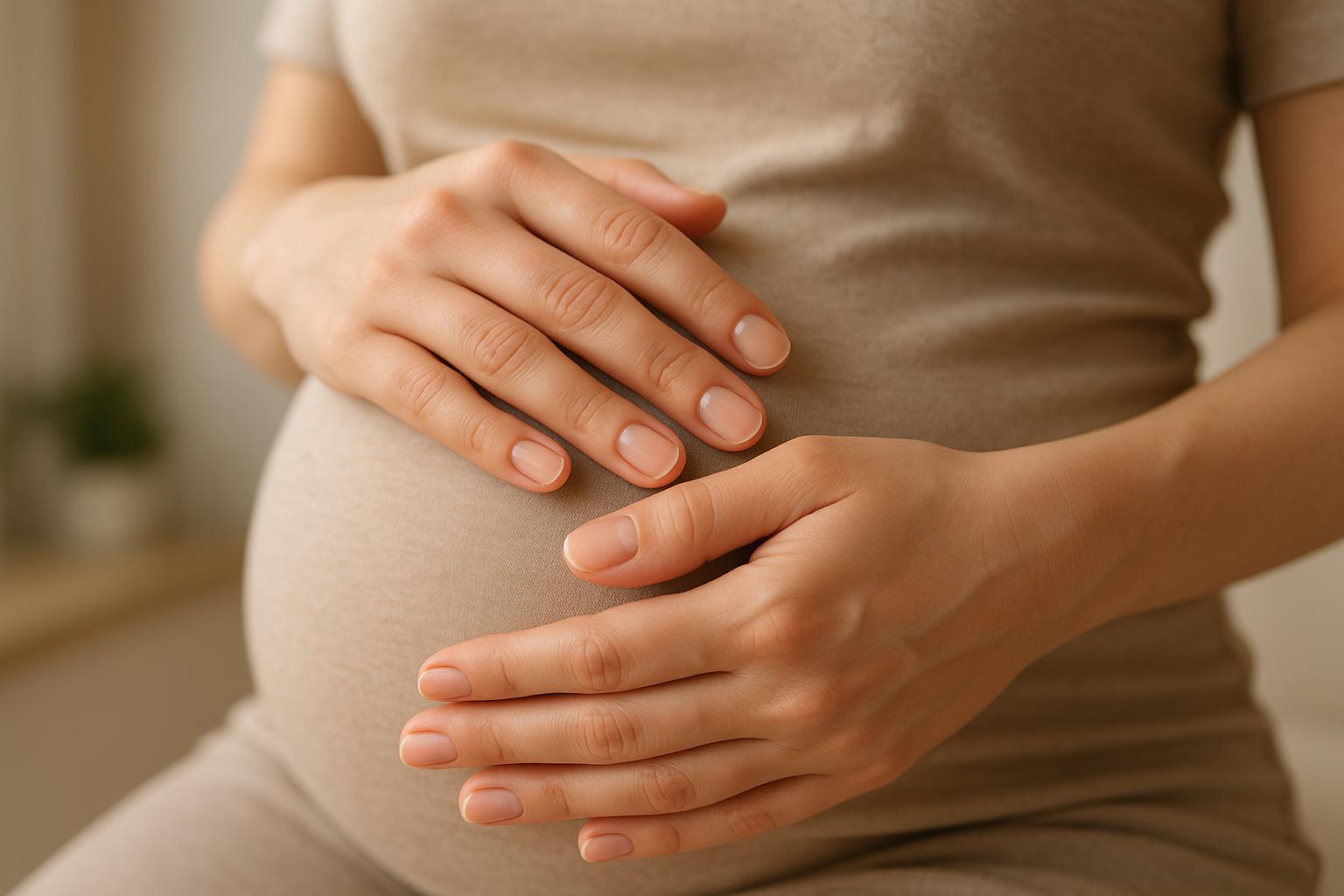
Pregnancy often brings unexpected changes to your nails due to hormonal shifts and increased blood flow. Common changes include faster nail growth, brittleness, splitting, white spots (leukonychia), and ingrown toenails. These changes are typically temporary and resolve after childbirth as hormone levels stabilize.
Key points:
34.2% of pregnant women experience nail changes, compared to 12.8% of non-pregnant women.
Hormones like estrogen and progesterone accelerate nail growth but may also weaken nails.
Nutritional demands during pregnancy can lead to brittle nails if key nutrients like biotin, iron, and zinc are lacking.
Swelling in the feet (edema) can increase the risk of ingrown toenails.
Care tips:
Trim nails straight across to prevent ingrown nails.
Moisturize nail beds regularly.
Eat protein-rich foods and ensure adequate intake of biotin, iron, and zinc.
Wear comfortable, well-fitting shoes to reduce pressure on toenails.
If you notice pain, swelling, or sudden nail changes, consult a healthcare provider. Most nail changes are harmless, but infections or severe symptoms may require medical attention.
Dermatologist Explains How Pregnancy Changes Your Skin, Hair, & Nails
Common Nail Changes During Pregnancy
Pregnancy often brings about noticeable changes to your body, and nails are no exception. While not every pregnant woman will experience these changes, they can vary widely from person to person.
Types of Nail Changes
Some of the most common nail changes during pregnancy include white spots or lines, often referred to as leukonychia, and ingrown nails (onychocryptosis). Another frequent issue is nail splitting, also known as onychoschizia, where nails become more prone to breaking or splitting, even during everyday activities.
You may also notice faster nail growth, though research suggests that for most women, the actual growth rate and thickness of nails remain consistent. Other potential changes include the development of Beau's lines (horizontal grooves across the nails) or melanonychia (dark streaks or discoloration on the nail surface).
Increased brittleness is another common concern. Nails may become more fragile, breaking or chipping more easily, which can make it difficult to maintain your usual nail length. This brittleness often accompanies splitting.
Nail Change Type | Description | Prevalence | Key Characteristics |
|---|---|---|---|
Leukonychia | White spots or lines on nails | 13.7–24.4% | Appears as white dots or horizontal lines |
Onychocryptosis | Ingrown toenails | 9–12.3% | Often affects big toes; caused by nail edges growing into skin |
Onychoschizia | Splitting of nails | 9% | Nails break or split easily along the edges |
Increased Brittleness | Nails break or chip easily | Common | Often seen with splitting; makes nails fragile |
Melanonychia | Dark streaks or discoloration | Less common | Vertical dark lines on the nail surface |
These changes can provide insight into how your body is responding to pregnancy.
When Nail Changes Occur
Nail changes can happen at any point during pregnancy, but they are most commonly noticed between weeks 14 and 42 of gestation. This means you’re more likely to observe changes starting in the second trimester and continuing through delivery.
The timing of these changes often depends on factors like hormonal shifts, your nutritional status, genetics, and even external conditions such as swelling in your feet. For instance, foot swelling later in pregnancy can lead to tight shoes, which may increase the likelihood of developing ingrown toenails as pressure forces the nails into the surrounding skin.
Interestingly, studies show that about two-thirds of pregnant women don’t experience any significant nail changes. For those who do, most changes gradually improve after delivery. In fact, toenails typically return to their normal appearance around nine months postpartum, as the nails grow out and the hormonal effects subside. Since nails reflect the conditions present during their formation, the time it takes for them to fully recover depends on how quickly they grow.
What Causes Nail Changes During Pregnancy
Understanding why nail changes happen during pregnancy can make it easier to manage them. A mix of biological shifts and external factors come together to cause these changes.
Hormonal Changes
Estrogen and progesterone are the main culprits behind nail changes during pregnancy. These hormones don’t just influence your mood or energy levels - they also directly affect how your nails grow and look.
Estrogen, in particular, plays a big role by boosting blood flow to your extremities, which can speed up nail growth. It also increases blood flow to the nail matrix and retains keratohyaline granules, which can lead to leukonychia (white spots on the nails).
These hormonal shifts influence the nail matrix, the area where keratin (the protein that forms your nails) is produced. Changes in this process can result in faster nail growth for some women, while others may find their nails becoming weaker, prone to splitting, or breaking more easily.
The good news? These effects are temporary. Once hormone levels stabilize after delivery, these changes typically reverse, and your nails gradually return to their pre-pregnancy condition. In addition to hormones, improved blood flow and increased nutritional needs during pregnancy also play a role in nail health.
Blood Flow and Nutrition Changes
Pregnancy puts extra demands on your circulatory system, and this increased blood flow has a direct impact on your nails. Enhanced circulation brings more nutrients and oxygen to the nail matrix, which can speed up growth for many women.
However, this increased blood flow can also cause swelling (edema) around the nail bed. The added pressure on blood vessels may contribute to issues like leukonychia or even ingrown nails.
Nutritional demands also rise significantly during pregnancy, and deficiencies can directly affect your nails. If your body doesn’t get enough essential nutrients to meet these demands, your nails may change in texture, becoming brittle or coarse.
Some of the key nutrients for healthy nails include biotin, iron, zinc, and protein. These are all critical for keratin production and maintaining nail strength. Even if your diet was sufficient before pregnancy, the heightened metabolic demands may require adjustments to ensure your nails stay strong and healthy.
Physical and External Factors
Beyond internal changes, external factors also influence nail health during pregnancy. Foot swelling is one of the most common physical issues that can lead to nail problems. As your feet swell due to fluid retention and hormonal shifts, tight or poorly fitting shoes can put extra pressure on your nails.
This pressure can cause nails to curve and grow into the skin, leading to painful ingrown nails. This is especially common with toenails, which bear the brunt of your body weight and are more vulnerable to pressure-related issues. Swelling combined with restrictive footwear creates the perfect conditions for nail deformation.
Environmental factors can make things worse. Exposure to harsh chemicals in nail products - combined with the increased sensitivity many women experience during pregnancy - can lead to brittle or weakened nails.
These physical changes often become more noticeable later in pregnancy. Between weeks 29 and 42, when swelling peaks and hormonal levels are at their highest, nail changes tend to be most pronounced.
How to Manage Nail Changes During Pregnancy
Nail changes are a common part of pregnancy, thanks to hormonal shifts that can affect your body in unexpected ways. While these changes may be unavoidable, simple care practices focusing on nutrition, daily habits, and knowing when to seek help can make a big difference in keeping your nails healthy and strong.
Nutrition for Healthy Nails
During pregnancy, your body's nutritional needs increase significantly, and this includes the nutrients that support nail health. Getting enough protein, biotin, iron, and zinc is essential, as deficiencies in these can lead to brittle, splitting, or weak nails.
Protein is the building block of keratin, the structural component of nails. To ensure your body has what it needs, include protein-rich foods like lean meats, eggs, dairy, beans, and nuts in your meals. These provide the amino acids necessary for nail strength.
Biotin, a type of B vitamin, is another key player in nail health. You can find it in foods like eggs, nuts, seeds, and whole grains. While most prenatal vitamins include biotin, some women may require extra supplementation if their diet falls short. Always check with your healthcare provider before adding new supplements to your routine.
Iron is vital for preventing brittle or spoon-shaped nails. Iron-rich foods such as leafy greens, lean red meat, and fortified cereals should be staples in your diet. Pair these with vitamin C sources like oranges or bell peppers to boost iron absorption. Zinc, found in nuts, seeds, and whole grains, also helps by aiding protein synthesis, which supports nail strength.
While nutrition lays the foundation for healthy nails, daily care is equally important.
Daily Nail Care
Simple daily habits can go a long way in maintaining nail health during pregnancy. Consistent care can prevent many common problems caused by physical stress or hormonal changes.
Trim nails properly: Keep your nails short and cut them straight across with slightly rounded edges to minimize breakage and avoid ingrown nails. This is especially important for toenails, as pregnancy-related foot swelling can make shoes feel tighter.
Moisturize regularly: Use a gentle, fragrance-free moisturizer to keep your nails and cuticles hydrated. Pay extra attention to the area around your nail beds to prevent dryness and cracking.
Choose safe nail products: If you enjoy using nail polish, opt for pregnancy-safe options free of chemicals like formaldehyde, toluene, and DBP (dibutyl phthalate). Always use nail products in a well-ventilated area.
Wear comfortable footwear: Choose shoes with a wider toe box or adjustable straps to accommodate swelling. Elevating your legs when possible can help reduce swelling and ease pressure on your feet and nails.
These simple steps can help protect your nails and keep them looking and feeling their best.
When to Get Professional Help
While most nail issues can be managed at home, certain signs indicate it’s time to consult a healthcare provider.
Infections: If you notice redness, swelling, pain, or pus around your nails, seek medical attention. Pregnant women may be more prone to infections, and treatments may need to be adjusted for safety. For example, topical antifungal treatments are generally safer than oral medications during pregnancy.
Persistent or severe changes: If your nail problems don’t improve with proper care or are accompanied by other symptoms like fever or fatigue, consult your doctor. These could signal an underlying health issue.
Painful ingrown nails: Avoid trying to fix ingrown nails yourself, especially if they’re causing significant pain. A healthcare provider can treat them safely using pregnancy-appropriate methods.
For additional support, consider resources like Rita's Pregnancy 101. They provide expert-led live sessions and online support that address both physical and mental well-being during pregnancy. Their offerings, including guided meditations and practical tips, can help reduce stress - something that benefits your overall health, including your nails.
Warning Signs That Need Medical Attention
While most nail changes during pregnancy are harmless and manageable, certain symptoms should never be ignored. Pain, swelling, or pus around your nails are clear indicators that medical attention is needed. Being aware of these warning signs can safeguard both your health and your baby’s.
Signs of Infection or Serious Problems
If you notice redness, warmth, swelling, or pus near your nails, it could signal a bacterial or fungal infection that might worsen without treatment. These symptoms demand prompt care to avoid complications.
Sudden nail discoloration or the appearance of black streaks under your nails could point to more serious concerns, such as subungual melanoma - a rare but serious form of skin cancer. While gradual nail color changes are often normal during pregnancy, rapid or unusual changes should always be checked by a healthcare provider.
Another red flag is nail separation (onycholysis), particularly if it happens suddenly or affects multiple nails. This condition can make nails more prone to infections and may indicate trauma or underlying health issues requiring professional evaluation.
Though serious complications are uncommon, infections during pregnancy need extra caution. Some treatments, especially oral medications, may not be safe for expecting mothers. Topical antifungal treatments are typically preferred, but it’s crucial to seek guidance from a healthcare professional.
Severe ingrown nails, especially when accompanied by pain or infection, also require immediate attention to prevent further issues.
Beyond localized nail problems, pay close attention to any nail changes that occur alongside other health symptoms.
Nail Changes with Other Symptoms
If nail changes are accompanied by systemic symptoms like fatigue, swelling, jaundice, or fever, they could indicate broader health concerns such as anemia, liver conditions, or even preeclampsia.
Fever paired with nail symptoms is especially alarming, as it may suggest an infection spreading beyond the nail area. This situation poses risks to both maternal and fetal health and requires urgent medical care.
The main difference between normal pregnancy-related nail changes and those signaling a problem lies in the presence of pain and how quickly the changes occur. Gradual, mild changes like slight brittleness or small white spots are usually harmless. In contrast, serious issues often involve pain, rapid changes, or symptoms that interfere with daily life.
Avoid self-treating concerning nail symptoms with over-the-counter remedies. Many antifungal and antibacterial products are not safe for use during pregnancy, and improper treatment could delay proper care or lead to complications.
For expert guidance throughout your pregnancy, including advice on nail health and recognizing warning signs, consider resources like Rita's Pregnancy 101. Their sessions provide practical tips to help you understand what’s normal and when to seek medical help. Staying informed and acting promptly ensures the best outcomes for both you and your baby.
Key Points About Nail Changes During Pregnancy
Pregnancy comes with a variety of changes, and understanding what’s happening with your nails can help ease concerns and encourage better self-care. Most nail changes are completely normal and temporary.
Some of the most common nail changes include white spots or lines (known as leukonychia), ingrown toenails, splitting, increased brittleness, and occasionally faster growth. These changes are usually tied to hormonal fluctuations and improved blood circulation that occur during pregnancy.
The good news? These changes won’t last forever. Once your hormone levels stabilize after delivery, your nails will typically return to their pre-pregnancy state. This recovery period allows your body to adjust and your nails to grow out naturally.
Daily care also plays an important role in maintaining nail health during this time. A nutrient-rich diet and gentle nail care can make a big difference. Eating foods packed with biotin, iron, zinc, and protein helps prevent brittleness and splitting. Keeping nails trimmed, wearing comfortable footwear, and using non-toxic nail products can also help avoid further issues.
Interestingly, research has shown that nail changes during pregnancy occur across all ages and races, highlighting their universal and natural cause.
While most nail changes are harmless, it’s important to know when to seek professional advice. Minor issues like slight brittleness or small white spots don’t require medical attention, but if you experience pain, swelling, pus, or sudden changes, it’s time to consult a healthcare provider.
For guidance on managing physical changes like nail health during pregnancy, consider programs like Rita’s Pregnancy 101. Their expert-led sessions focus on helping expectant mothers understand these changes and provide practical self-care tips.
Ultimately, nail changes are just one of many temporary adjustments your body goes through during pregnancy. Staying informed, practicing good nail hygiene, and knowing when to seek help will keep both you and your baby on the right track.
FAQs
What nail changes are normal during pregnancy, and when should I see a doctor?
During pregnancy, you might spot some changes in your nails - like faster growth, added brittleness, or the appearance of ridges. These shifts are usually tied to hormonal changes and increased blood circulation, both of which can influence how your nails grow and feel.
That said, if you notice sudden discoloration, intense pain, or signs of infection such as redness or swelling around the nails, it’s a good idea to contact your healthcare provider. These could be signs of an underlying issue that requires medical attention. When in doubt, trust your gut and seek professional advice if something doesn’t seem right.
What can I eat during pregnancy to support healthy nail growth?
During pregnancy, you might notice your nails growing faster or becoming more brittle, thanks to hormonal shifts. To keep your nails healthy, focus on eating a balanced diet packed with essential nutrients. Foods rich in biotin, such as eggs, nuts, and seeds, can help strengthen your nails. Adding protein from lean meats, fish, or plant-based options supports overall nail health. Don’t forget calcium (available in dairy products or fortified plant-based milk) and iron (found in spinach, beans, or fortified cereals) to help prevent brittleness or discoloration.
Hydration is also key - dehydration can affect your nail texture. If you have specific concerns or dietary limitations, it’s a good idea to check in with a healthcare provider for tailored advice. A nutrient-rich diet doesn’t just benefit your nails; it plays a big role in supporting your overall health during pregnancy.
What nail care products are safe to use during pregnancy to prevent brittleness and splitting?
During pregnancy, hormonal shifts can often make nails more brittle or prone to splitting. To maintain nail health during this time, consider using nail care products free from harsh chemicals like formaldehyde, toluene, and dibutyl phthalate (DBP). Instead, go for pregnancy-safe options, such as nail strengtheners or oils packed with natural ingredients like vitamin E, jojoba oil, or biotin.
If you enjoy wearing nail polish, look for brands labeled as "3-free" or "5-free", indicating they avoid certain harmful toxins. Always read product labels carefully, and if you're unsure about any ingredient, consult your healthcare provider for guidance.