
Ultimate Guide to Pregnancy Skin Sensitivity and Allergens
Mar 24, 2025
Rita Singha
Pregnancy Health
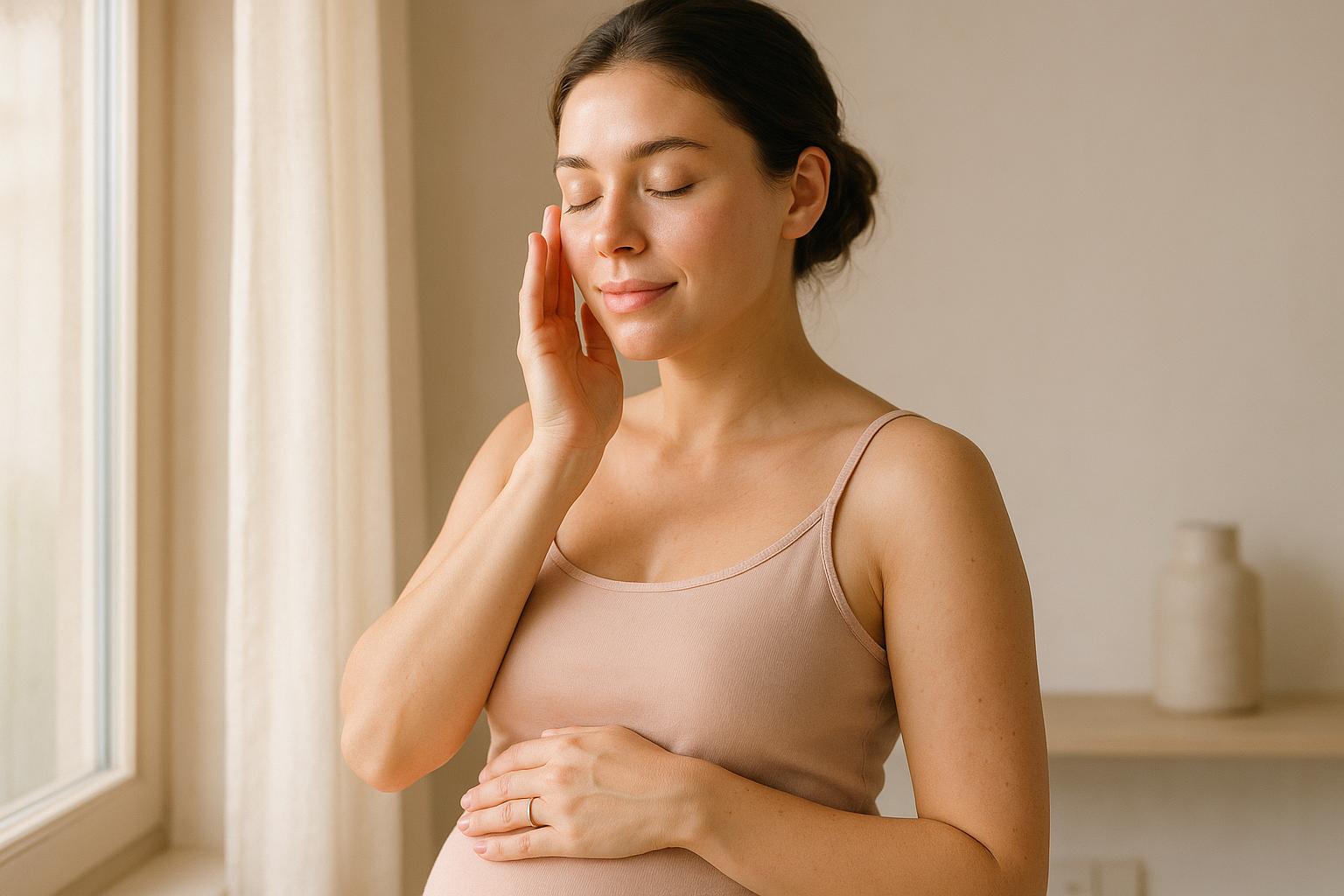
Pregnancy can cause major skin changes due to hormonal shifts and a more sensitive immune system. Common issues include melasma (affecting 75% of women), linea nigra (90%), itching, dryness, and even new allergies or conditions like eczema. These changes can impact your comfort and even signal health concerns, such as intrahepatic cholestasis.
To manage these challenges:
Use gentle, fragrance-free skincare products.
Moisturize regularly to strengthen your skin barrier.
Protect against pigmentation with mineral sunscreen (SPF 30+).
Avoid irritants like harsh detergents, fragrances, and certain skincare ingredients (e.g., retinoids).
Seek medical advice for severe itching or persistent skin issues.
Postpartum, many skin changes fade, but some may linger. Adjust your skincare routine carefully and consult your doctor for safe treatments, especially while breastfeeding.
Doctor explains 13 SKIN SIGNS AND CHANGES SEEN IN PREGNANCY (plus real life clinical photos)
Understanding Pregnancy Skin Sensitivity
Pregnancy brings a host of changes to your body, and your skin is no exception. Products you once used without a second thought might suddenly cause irritation, and new sensitivities can appear seemingly out of nowhere.
Hormonal Changes and Their Impact on Skin
During pregnancy, your body experiences a surge in hormones like estrogen and progesterone, and these shifts can have a noticeable impact on your skin. These hormones don’t just affect how you feel - they also influence how your skin behaves and reacts.
Estrogen, for example, increases blood flow, which can give your skin a glowing appearance but also make it more reactive. It’s also behind pigmentation changes like melasma (often called the "pregnancy mask") and the linea nigra, the dark line that can appear on your belly. Progesterone, on the other hand, ramps up oil production, which might lead to acne - even if your skin has been clear for years. These hormonal changes can also weaken your skin’s barrier, leaving it more prone to redness, stinging, and other sensitivities.
Skin sensitivity during pregnancy can vary greatly and often evolves as the months go by. Some conditions, like pruritic urticarial papules and plaques of pregnancy (PUPPP), tend to show up in the later stages, particularly in the third trimester. These changes create the perfect storm for the range of sensitivity symptoms many women experience.
Common Skin Sensitivity Symptoms
Pregnancy-related skin sensitivity can show up in many ways, often requiring extra care - or even medical attention.
Itching (pruritus) is one of the most frequent complaints. Many women notice persistent itching, especially on the abdomen as the skin stretches. However, itching can occur anywhere on the body and might even worsen at night, making it hard to get a good night’s sleep.
Dryness is another common issue. Skin may feel tight, flaky, or rough, particularly in areas undergoing the most stretching, such as the belly and breasts. However, dryness isn’t limited to these areas - it can also affect your face, arms, or legs. Increased sensitivity to products is another challenge. A moisturizer or detergent you’ve used for years might suddenly cause stinging or even a rash.
Redness and inflammation can appear out of nowhere, often in the form of red patches on the face, neck, or other parts of the body. These reactions might be triggered by skincare products, certain fabrics, or even environmental factors like wind or temperature changes.
Certain areas of your body may become especially sensitive. For example, the face is more prone to pigmentation changes and reactions, while the abdomen may feel itchy as it stretches. The breasts can become tender, and areas prone to friction - like the inner thighs and underarms - might develop rashes or heightened sensitivity.
Some women also report burning or stinging sensations when using products that previously felt fine. Even something as simple as hot or cold water can irritate the skin.
Pregnancy can also bring on entirely new skin conditions. A 2023 survey by Pymble Dermatology found that up to 20% of pregnant women develop PUPPP, a highly itchy rash that typically shows up in the third trimester. Women who’ve never had eczema may develop atopic dermatitis, while those with preexisting skin conditions might notice their symptoms worsening.
These skin changes can take an emotional toll, whether it’s disrupted sleep or discomfort during daily activities. While these symptoms are common and affect many pregnant women, understanding what’s happening can bring some peace of mind as you navigate this transformative time.
Common Allergic Skin Conditions During Pregnancy
Pregnancy often brings about a variety of skin changes, and some of these can develop into specific allergic reactions. Knowing what to look for can make it easier to decide when to consult a healthcare provider and determine which treatments are safe during pregnancy.
Atopic Dermatitis (Eczema)
Atopic dermatitis, or eczema, is the most frequent skin condition experienced during pregnancy. Interestingly, many women encounter eczema for the first time while expecting.
Eczema usually appears as dry, itchy, red, and scaly patches. These are often found on the face, neck, and in skin creases like the elbows and knees. During pregnancy, these patches can become more irritated and persistent, causing noticeable discomfort that may interfere with sleep or daily routines.
Pregnancy-related hormonal shifts, particularly an increase in estrogen, and changes in immune response can intensify eczema symptoms. Flare-ups are most common during the first and second trimesters, though they can occur at any time. Even if you’ve dealt with eczema before, pregnancy might alter its behavior - new triggers can emerge, and existing ones may become more pronounced.
Chronic Urticaria
Chronic urticaria, often referred to as hives, manifests as itchy, red, raised welts that can appear anywhere on the body. Unlike eczema, hives are not confined to specific areas and tend to come and go unpredictably throughout the day.
Common triggers for hives during pregnancy include stress, heat, certain foods, and medications. Identifying the exact cause can be tricky since hives may appear suddenly and in various locations. Some women experience hives for the first time while pregnant, while others notice their symptoms becoming more frequent or severe.
Allergic Contact Dermatitis
Allergic contact dermatitis occurs when your skin reacts to an allergen or irritant, leading to localized redness, itching, and sometimes blistering at the point of contact.
Pregnancy can heighten skin sensitivity, making you more prone to reactions from substances that previously caused no issues. Common irritants include fragrances in lotions or perfumes, nickel in jewelry, latex gloves, cosmetics, and cleaning products. Even items you’ve used for years, like a favorite moisturizer or piece of jewelry, might suddenly cause a reaction. Pregnancy can also introduce new sensitivities or amplify existing ones, especially on areas like the hands or face that are frequently exposed to potential irritants.
Condition | Typical Symptoms | Common Locations | Main Triggers |
|---|---|---|---|
Atopic Dermatitis | Dry, itchy, red, scaly patches | Face, neck, elbows, knees | Stress, heat, allergens, hormones |
Chronic Urticaria | Itchy, red, raised welts | Anywhere on the body | Stress, heat, foods, medications |
Allergic Contact Dermatitis | Localized redness, itching, blistering | Site of contact | Fragrances, nickel, latex, cosmetics |
Managing Allergens During Pregnancy
Managing allergens during pregnancy involves identifying potential triggers and adjusting your home and personal care habits. Pregnancy can heighten your skin's sensitivity, making it more reactive to common irritants.
Common Household and Cosmetic Triggers
Your home and personal care routines might harbor hidden irritants that can trigger skin reactions during pregnancy. Synthetic fragrances, for example, are often found in air fresheners, scented candles, plug-in diffusers, and many personal care products. Even items labeled as "naturally scented" may contain essential oils like rosemary, sage, or peppermint, which could irritate the skin or, in some cases, stimulate uterine contractions.
Laundry products are another common source of irritation. Conventional detergents, fabric softeners, and dryer sheets often leave residues containing dyes and perfumes, which can cause contact dermatitis, particularly in areas where clothing fits snugly.
Cleaning products present additional challenges. Harsh chemicals like ammonia, bleach, and volatile organic compounds can irritate both skin and respiratory systems. Antibacterial or deodorant soaps, while effective at cleaning, can strip your skin's natural barrier, making it more sensitive.
Personal care products deserve special attention as well. Ingredients like sulfates, parabens, and artificial fragrances are more likely to provoke a reaction during pregnancy. Even if you've previously tolerated heavily fragranced body washes or lotions, your skin may now react differently due to hormonal changes.
To reduce exposure to these allergens, consider switching to fragrance-free and dye-free alternatives. For laundry, opt for unscented detergents designed for sensitive skin, and wash bedding weekly in hot water to limit dust mites. When cleaning, natural solutions like white vinegar, baking soda, or hydrogen peroxide can effectively clean without introducing harsh chemicals. Maintaining indoor humidity levels between 30% and 50% can also help prevent mold and keep your skin from drying out, especially during the winter when heating systems are in use.
By minimizing allergens in your environment and personal care products, you can better protect your skin during pregnancy. Once you've addressed environmental triggers, focus on building a skincare routine that prioritizes safety and comfort.
Creating a Pregnancy-Safe Skincare Routine
A simple skincare routine centered around cleansing, moisturizing, and protecting your skin can help keep it healthy while reducing allergen exposure during pregnancy.
For cleansing, choose a gentle, fragrance-free cleanser, such as a cetyl alcohol-based formula or micellar water, and use lukewarm water. Hot water can strip your skin of its natural oils, increasing sensitivity. Look for products labeled as "hypoallergenic" and "pregnancy-safe."
Moisturizing is especially important during pregnancy as hormonal changes can weaken your skin's barrier. Apply a fragrance-free, hypoallergenic moisturizer right after cleansing, while your skin is still damp, to lock in hydration. Ingredients like ceramides, glycerin, or hyaluronic acid are excellent for supporting the skin barrier without irritation.
Daily sun protection is a must. Use a broad-spectrum mineral sunscreen with an SPF of 30 or higher to reduce the risk of melasma and hyperpigmentation. Mineral sunscreens with zinc oxide or titanium dioxide are generally safer options compared to chemical sunscreens.
To ensure safety, always perform a patch test. Apply a small amount of new product on your inner arm and monitor for 24 to 48 hours. If it seems safe, test it on a small area of your face for 3 to 5 days before using it more widely. Introduce one new product at a time, waiting at least a week between additions, to clearly identify any that might cause a reaction.
Avoid certain ingredients altogether. Retinoids (like retinol and retinyl palmitate) are linked to an increased risk of birth defects, while hydroquinone is not recommended for treating melasma during pregnancy. High concentrations of salicylic acid and benzoyl peroxide should only be used under medical guidance.
Keeping a skincare diary can help you track which products work well and which trigger reactions. Consider buying smaller product sizes to test compatibility with your changing skin. When possible, choose dermatologist-recommended products specifically designed for pregnancy-related skin changes, and consult your healthcare provider before trying any active ingredients.
Product Category | Avoid | Safe Alternatives |
|---|---|---|
Cleansers | Antibacterial soaps, deodorant soaps, fragranced cleansers | Gentle, fragrance-free cleansers, micellar water, cetyl alcohol-based products |
Moisturizers | Fragranced lotions, products with retinoids or hydroquinone | Ceramide-based moisturizers, glycerin or hyaluronic acid formulas, fragrance-free options |
Household Cleaners | Bleach, ammonia | White vinegar, baking soda, hydrogen peroxide solutions |
Laundry Products | Scented detergents, fabric softeners, dryer sheets | Fragrance-free, dye-free detergents for sensitive skin |
Safe and Effective Treatments for Skin Conditions in Pregnancy
Dealing with skin conditions during pregnancy can be tricky, especially when your primary concern is ensuring the safety of both you and your baby. Finding treatments that provide relief without unnecessary risks is essential.
Pregnancy-Safe Topical Treatments
For dryness and itching, bland emollients are a gentle, effective choice. Look for products containing ceramides, glycerin, or hyaluronic acid to lock in moisture and restore the skin barrier. The best time to apply these is right after bathing, while your skin is still damp.
Mild topical corticosteroids, like 1% hydrocortisone cream, can help manage inflammatory skin conditions such as eczema, allergic contact dermatitis, or pruritic urticarial papules and plaques of pregnancy (PUPPP). These creams reduce inflammation and itching when used sparingly. Stick to the lowest effective dose for the shortest time, and avoid applying to large areas or using under occlusion.
For minor allergic reactions or contact dermatitis, calamine lotion can provide soothing relief by drying out minor lesions.
When choosing topical treatments, always read labels carefully. Avoid products containing retinoids, high concentrations of salicylic acid, hydroquinone, or certain essential oils, as these may pose risks during pregnancy.
If topical options don’t provide enough relief, systemic treatments may be necessary for more severe cases.
Systemic Treatments: What's Safe and What's Not
Systemic treatments, which affect the entire body, are typically reserved for more severe skin conditions. While these can be effective, they require careful consideration due to their potential impact on your baby.
Oral antihistamines, such as loratadine (Claritin) or cetirizine (Zyrtec), are generally considered safe for managing severe itching or allergic reactions when topical treatments fall short. These can help with widespread itching or conditions like urticaria. However, always consult your healthcare provider before starting any oral medication to ensure it's suitable for your situation.
Oral corticosteroids, like prednisone, may be prescribed for severe eczema flares or PUPPP that don’t respond to topical treatments. These medications should only be used under strict medical supervision, as they come with both benefits and potential risks.
Certain treatments, however, are off-limits. Systemic retinoids, often used for severe acne, carry a high risk of birth defects and are strictly contraindicated. Similarly, methotrexate and some immunosuppressants used for autoimmune skin conditions are not safe during pregnancy.
The American College of Obstetricians and Gynecologists (ACOG) advises using the lowest effective dose of any medication during pregnancy to minimize risks.
If you have pre-existing skin conditions like eczema or psoriasis, pregnancy may bring changes. Hormonal shifts can either improve or worsen symptoms, so regular check-ins with both your dermatologist and obstetrician are key to adjusting your treatment plan safely.
Intense or persistent itching without a visible rash could signal a more serious condition, such as cholestasis of pregnancy. This condition, which affects about 1 in 100 to 1 in 1,000 pregnancies in the U.S., requires immediate medical attention and may necessitate early delivery to protect your baby.
For additional support, consider stress-reduction techniques like yoga or guided meditation, which can help manage flare-ups. Rita's Pregnancy 101 offers programs tailored to pregnancy-related stress management.
These treatment options work hand-in-hand with allergen management and skincare routines to keep pregnancy-related skin conditions under control.
Treatment Type | Safety | Common Uses | Notes |
|---|---|---|---|
Bland Emollients | Safe | Dryness, itching, barrier repair | Use fragrance-free, hypoallergenic formulas |
1% Hydrocortisone | Generally safe (short-term) | Eczema, contact dermatitis, PUPPP | Avoid prolonged use or large areas |
Oral Antihistamines | Most are safe | Severe itching, urticaria | Consult provider for specific medications |
Oral Corticosteroids | Use with caution | Severe eczema, PUPPP | Medical supervision required |
Systemic Retinoids | Contraindicated | Severe acne | Risk of birth defects |
Preventive Skincare Strategies During Pregnancy
While treatments focus on managing active symptoms, preventive measures are key to maintaining healthy skin throughout pregnancy. Pregnancy brings unique challenges for your skin, and taking steps to protect it can help you avoid unnecessary discomforts or complications. By being proactive, you can reduce the chances of developing sensitivity or allergic reactions during this transformative period.
Hydration and Moisturization
Keeping your skin hydrated is crucial during pregnancy, as hormonal changes can take a toll on your skin's natural barrier. These shifts, combined with increased blood flow, can lead to dryness and irritation, making your skin more prone to sensitivity. Regular moisturization helps counteract these effects and supports your skin's resilience.
Moisturize twice daily, ideally right after bathing, to seal in hydration. If you have eczema or naturally dry skin, you might need to apply moisturizer more frequently. Choose products that are free from fragrances, parabens, and other irritants. Look for ingredients like ceramides, glycerin, or hyaluronic acid, which are known to restore and maintain your skin's barrier. Ointments and creams tend to provide better hydration and protection than lotions, making them a great choice for pregnant skin.
Drinking 8–10 cups of water daily also plays a vital role in keeping your skin hydrated. This not only helps maintain your skin's moisture levels but also supports the increased blood volume your body requires during pregnancy. If you’re in a dry climate or frequently use heating systems, a humidifier can help minimize moisture loss in your environment.
At night, opt for thicker creams or ointments. This allows your skin to absorb the moisture more effectively while you sleep, giving it time to repair and prepare for the next day. Studies indicate that consistent moisturization can reduce pregnancy-related skin issues by as much as 40%, making this a simple yet impactful step in your skincare routine.
Stress Management and Skin Health
Caring for your skin isn’t just about what you apply externally - it’s also about managing internal factors like stress. Elevated stress levels increase cortisol, a hormone that can worsen skin conditions such as eczema, acne, and hives. Stress disrupts your skin's barrier function and triggers inflammation, making it harder for your skin to stay healthy.
Incorporating mindfulness practices like yoga and meditation can help lower cortisol levels and improve your skin's ability to heal. These practices also enhance circulation and promote relaxation, creating a healthier environment for your skin. Platforms like Rita's Pregnancy 101 offer prenatal yoga and meditation classes tailored specifically for expectant mothers. With an average rating of 4.8 and trusted by over 5,000 mothers, their expert-led live sessions are accessible from the comfort of your home.
"The yoga and meditation sessions were a game changer for my pregnancy." - Priya Mehta
Even small daily habits, such as 10 minutes of deep breathing or gentle stretching, can make a noticeable difference in your stress levels. Building these moments of calm into your routine can have a cumulative positive effect on your skin health.
Connecting with others going through similar experiences can also help reduce stress. Support groups or online communities, like the one offered by Rita's Pregnancy 101, provide emotional backing and practical advice during this journey.
Don’t underestimate the power of sleep either. Aim for 7–9 hours of quality rest each night. Deep sleep allows your skin to repair itself, while poor sleep can elevate stress hormones, exacerbating skin issues.
Finally, nutrition plays a critical role in preventive skincare. A balanced diet rich in omega-3 fatty acids, vitamins A, C, and E, and protein helps bolster your skin's barrier and repair processes. Eating water-rich foods like fruits and vegetables adds extra hydration, while cutting back on processed foods and sugar can reduce inflammation and prevent flare-ups.
Dermatology clinics have found that pregnant women who stick to a routine of daily moisturizing and prenatal yoga report fewer instances of eczema and less dryness compared to those who skip these steps. Combining these preventive strategies with safe treatments creates a well-rounded approach to maintaining healthy skin throughout pregnancy.
When to Consult a Healthcare Professional
Skin changes during pregnancy are often normal, but some symptoms could pose risks to both you and your baby.
One of the most critical signs to watch for is severe or persistent itching, especially if there’s no visible rash. Itching that primarily affects your palms and soles may indicate intrahepatic cholestasis of pregnancy (ICP), a liver condition that can lead to complications like preterm birth or, in rare cases, stillbirth. This type of itching tends to worsen at night and may be accompanied by jaundice. If you notice yellowing of your skin or eyes, contact your healthcare provider immediately, as this could signal serious liver issues. Other symptoms to watch for include nausea, loss of appetite, or changes in stool color.
Be vigilant about signs of infection in any skin lesions or rashes. Symptoms like spreading redness, increased warmth, swelling, pain, pus or discharge, and fever may point to cellulitis or abscess formation. These conditions require prompt evaluation since untreated infections can lead to complications. Your doctor can prescribe antibiotics that are safe for both you and your baby.
If basic care doesn’t resolve persistent issues - such as worsening eczema, severe acne, or painful rashes - it’s time to consult a professional. These symptoms might seem minor but could indicate underlying conditions that need specialized treatment. Hormonal changes during pregnancy can also trigger flare-ups of pre-existing skin conditions, so report any new or worsening symptoms to your provider.
Some skin conditions, like PUPPP (pruritic urticarial papules and plaques of pregnancy), can cause significant discomfort. If you experience rapidly spreading rashes or systemic symptoms, seek immediate medical attention. Prescription treatments are often available and safe for pregnancy.
Avoid self-medicating with unverified products. Many common treatments, such as certain topical steroids, retinoids, and acne medications, aren’t safe during pregnancy and could harm your baby. Always check with your healthcare provider before using any medication or skincare product.
If your symptoms are disrupting your sleep or daily activities or causing emotional distress, don’t hesitate to seek professional help. Keeping a detailed record of your symptoms - such as when they started, their severity, and any possible triggers - can help your doctor make an accurate diagnosis and create a suitable treatment plan.
For persistent but non-urgent concerns, consider scheduling an appointment with your obstetrician or a dermatologist who specializes in treating pregnant patients. They can help differentiate between normal pregnancy-related changes and conditions that need intervention, ensuring you get safe and effective care for your stage of pregnancy.
Online resources like Rita's Pregnancy 101 offer expert-led sessions and educational tools to help you recognize warning signs and make informed decisions about your skin health during pregnancy. These platforms can be a valuable support system as you navigate this unique time in your life.
Postpartum Skin Changes and Recovery
After giving birth, your body undergoes hormonal adjustments that can lead to noticeable changes in your skin. Understanding these changes can help you navigate recovery and know when to seek professional advice.
Hormonal Shifts and Skin Adjustments
Childbirth triggers a rapid drop in estrogen and progesterone levels, which can lead to various skin changes. These shifts may affect pigmentation, skin texture, and overall skin health, with recovery timelines differing from person to person.
Melasma: Often referred to as the "mask of pregnancy", melasma may start to fade as hormones stabilize. However, the fading process isn’t immediate for everyone - some may see improvement within months, while others notice lingering pigmentation. Since sun exposure can worsen melasma, applying a daily broad-spectrum sunscreen is crucial.
Linea Nigra: This dark line on the abdomen typically fades on its own within six to twelve months postpartum, requiring no special treatment.
Acne: Many women experience clearer skin while breastfeeding due to hormonal effects, but this improvement may diminish once breastfeeding ends.
Eczema and Psoriasis: These conditions can either improve or worsen postpartum, depending on factors like stress, sleep, and hormonal adjustments.
Stretch Marks: Though stretch marks often fade from red or purple to a silvery tone, they rarely vanish completely without targeted treatments.
As your hormones settle, updating your skincare routine to match your skin's evolving needs is essential.
Skincare Treatments Safe for Postpartum and Breastfeeding
When caring for postpartum skin, it’s important to prioritize products and treatments that are safe for both you and your baby. Many skincare ingredients can be absorbed through the skin, so choosing wisely is key.
Moisturizers: Start with fragrance-free, hypoallergenic options to combat dryness and sensitivity. Look for ingredients like ceramides, hyaluronic acid, or glycerin to help repair your skin barrier.
Topical Corticosteroids: For issues like eczema or contact dermatitis, mild corticosteroids such as hydrocortisone can be used sparingly under medical supervision. Avoid applying these near areas that may come into contact with your baby’s skin.
Avoid Certain Ingredients: Steer clear of topical retinoids, high doses of salicylic acid, and some antibiotics or antifungals, as they may pose risks during breastfeeding. Always consult your healthcare provider before using new products.
Melasma Treatments: Azelaic acid is often recommended for lightening melasma and is considered safe while breastfeeding. Hydroquinone, a stronger lightening agent, is generally avoided due to concerns about absorption.
For non-pharmacological relief, consider options like oatmeal baths to soothe irritation or cool compresses to reduce inflammation. Gentle cleansers that maintain your skin’s natural oils are also beneficial, particularly for conditions like eczema.
Skin Condition | Postpartum Changes | Safe Treatments During Breastfeeding |
|---|---|---|
Melasma | Gradually fades, may linger | Sunscreen, azelaic acid |
Linea Nigra | Fades naturally | No treatment needed |
Eczema | May improve or flare | Mild steroids, moisturizers |
Acne | Often clears while breastfeeding | Gentle cleansers, non-retinoid products |
Managing Stress for Better Skin Health
Stress can significantly impact your skin during the postpartum period. Activities like yoga, meditation, or deep breathing exercises can help lower stress levels and minimize flare-ups. Platforms such as Rita's Pregnancy 101 offer guided meditations and wellness sessions designed to support new mothers in this transitional phase.
Postpartum skin recovery requires patience. While some changes resolve quickly, others may take longer - sometimes even years. Regular check-ins with healthcare professionals can help you create a safe and effective skincare plan tailored to your needs.
Conclusion: Managing Skin Health During Pregnancy
Pregnancy brings about noticeable skin changes - around 75% of women experience melasma, while 90% develop linea nigra. Understanding these transformations can help you take proactive steps with confidence.
Caring for your skin during pregnancy means sticking to gentle and consistent routines. Opt for fragrance-free, hypoallergenic products, and make daily use of broad-spectrum sunscreen to help reduce hyperpigmentation. Regularly moisturizing and steering clear of irritants can also enhance comfort. It's important to differentiate between normal changes and potential warning signs.
While issues like melasma and stretch marks are typically harmless and temporary, severe itching without a visible rash could indicate cholestasis. This condition affects about 1 in 100 to 1 in 1,000 pregnancies and requires immediate medical attention. Trust your instincts and reach out to your healthcare provider if something feels off.
Hormonal shifts, combined with emotional stress, can exacerbate conditions like eczema or acne. To manage stress, consider activities like prenatal yoga or meditation. Resources such as Rita's Pregnancy 101 offer guided meditations and wellness sessions tailored for expectant mothers navigating these changes.
Prevention remains key when it comes to skincare during pregnancy. Always consult your healthcare provider before trying new products, as treatments that were safe before pregnancy might not be advisable now. Acting early often leads to better outcomes for both you and your baby.
As your hormone levels settle after childbirth, many pregnancy-related skin changes tend to fade on their own. With thoughtful care and timely professional guidance, you can address skin sensitivities and avoid letting them overshadow the joy of this special time. Remember, your skin is just one part of the incredible journey of pregnancy - manage it wisely for a healthier and more comfortable experience.
FAQs
What are the common causes of skin allergies during pregnancy, and how can I spot them in my daily life?
During pregnancy, hormonal shifts can make your skin more reactive to allergens. Fragrances in skincare products, certain detergents, synthetic fabrics, and environmental factors like pollen or dust are common culprits. Even processed foods or sudden changes in your diet might play a role in triggering skin reactions.
To pinpoint these triggers, pay close attention to when and where your skin flares up. Keep a mental or written note of any new products or changes in your routine, like switching to a different detergent or lotion. If you experience redness, itching, or rashes after using a product or eating specific foods, consider avoiding them and reaching out to your healthcare provider for guidance.
What are safe ways to relieve severe itching or manage skin conditions like eczema during pregnancy without risking my baby’s health?
Managing skin conditions like eczema or intense itching during pregnancy calls for special attention to ensure both your comfort and your baby's well-being. Begin by applying gentle, fragrance-free moisturizers to keep your skin hydrated and help minimize irritation. Look for products labeled as hypoallergenic or designed for sensitive skin.
If the itching doesn’t improve, talk to your healthcare provider before trying any over-the-counter remedies, such as hydrocortisone creams or antihistamines. They can guide you toward options that are safe to use during pregnancy. It’s also a good idea to avoid hot showers, harsh soaps, or rough fabrics that might worsen the irritation. Instead, stick to lukewarm water and wear soft, breathable clothing to stay comfortable.
In more severe cases, your doctor might recommend prescription treatments that are safe for pregnancy. Always consult a medical professional to make sure your treatment plan is effective and safe for both you and your baby.
What skincare ingredients should I avoid while breastfeeding, and what are safe options for postpartum skin care?
When breastfeeding, it's essential to be mindful of the skincare products you use, as certain ingredients could potentially impact your baby. It's best to avoid products with retinoids (like retinol and tretinoin), high concentrations of salicylic acid, and hydroquinone, as these may not be considered safe during this time. Also, steer clear of parabens and formaldehyde-releasing preservatives, which are sometimes found in skincare formulations.
Instead, look for safer options like hyaluronic acid to keep your skin hydrated, niacinamide to soothe inflammation, and vitamin C to brighten and address discoloration. Gentle natural oils such as jojoba oil or coconut oil can also be great for moisturizing. Before introducing any new skincare products, it’s always a good idea to check with your healthcare provider or dermatologist to ensure they’re safe for both you and your baby.